Catena is now Pearl Talent! Same mission, new name.
AI won’t replace writers, but it has changed the way they work. Today, AI writing tools help content teams, marketers, and businesses produce high-quality content faster, optimize for search engines, and scale their messaging without sacrificing creativity.
AI writing tools are software platforms that use artificial intelligence to assist in generating written content. They can produce blog posts, marketing copy, social media content, emails, and more. While they don’t replace human writers, they act as powerful collaborators helping teams ideate, draft, and optimize content more efficiently.
Marketing teams face constant pressure to produce a large volume of content quickly while maintaining quality. AI writing tools:
By combining AI tools with human oversight, teams can meet the demands of modern marketing without burnout.
AI writing tools are transforming the way content teams approach blog posts and long-form articles. They can assist with topic research by analyzing trends, audience interests, and competitor content, helping teams identify ideas that will resonate. AI can also draft initial versions of articles, suggest headings and subheadings, and even provide outlines to structure content logically. This reduces the time spent on first drafts, enabling writers to focus on refining tone, storytelling, and engagement. By streamlining research and drafting, AI helps content teams produce high-quality long-form content consistently and at scale.
Search engine optimization is critical for content visibility, but it can be time-consuming and complex. AI tools help marketers optimize content for search engines by recommending relevant keywords, meta titles, meta descriptions, and semantic variations. Some platforms also analyze readability, internal linking opportunities, and search intent, ensuring that content aligns with what users are actually looking for. By integrating SEO best practices directly into the writing process, AI allows teams to produce content that drives organic traffic more efficiently without sacrificing quality.
From crafting email campaigns to creating ad copy for social media and digital ads, AI accelerates creative output while maintaining brand consistency. AI can generate multiple variations of copy for A/B testing, provide suggestions for tone and style, and even help brainstorm ideas for headlines, taglines, and call-to-actions. This allows marketing teams to iterate quickly, experiment with messaging, and produce high-performing campaigns without overburdening creative resources. AI becomes a collaborative partner, helping teams stay agile in fast-paced marketing environments.
AI tools are not limited to external-facing content, they also vastly enhance internal business writing. Whether drafting reports, SOPs, proposals, presentations, or memos, AI can help professionals produce clear, concise, and polished documents faster. Tools can summarize research, generate structured outlines, and suggest language improvements to maintain clarity and professionalism. By reducing time spent on routine writing tasks, AI enables employees to focus on strategy, analysis, and decision-making, improving productivity across the organization.
AI writing tools have become essential for marketers, content teams, and businesses looking to produce high-quality content efficiently. Whether you’re drafting blog posts, optimizing content for SEO, or creating marketing copy, these tools help accelerate workflows, improve creativity, and maintain consistency across channels. In 2026, the landscape offers specialized solutions for general content, SEO-focused writing, and versatile AI assistants that can adapt to multiple needs.

Jasper is widely recognized for its versatility and creative capabilities. It can assist with marketing copy, blog posts, social media content, email campaigns, and more. Its intuitive interface and multiple writing templates make it easy for teams to generate polished content quickly while maintaining brand voice.

ChatGPT excels at drafting, brainstorming, and conversational content creation. Its adaptability makes it suitable for generating blog posts, social media captions, marketing copy, or even email templates, all while allowing human oversight to refine tone and style.

Claude focuses on safe, coherent AI outputs for professional writing tasks. It’s ideal for teams that need structured, high-quality content for marketing, business communications, or technical documentation while ensuring reliability and accuracy.

Copy.ai is ideal for fast-paced marketing environments. It excels at generating short-form content such as ad copy, social media posts, and email campaigns. Its AI-powered suggestions help marketers iterate quickly and explore multiple creative angles without starting from scratch.
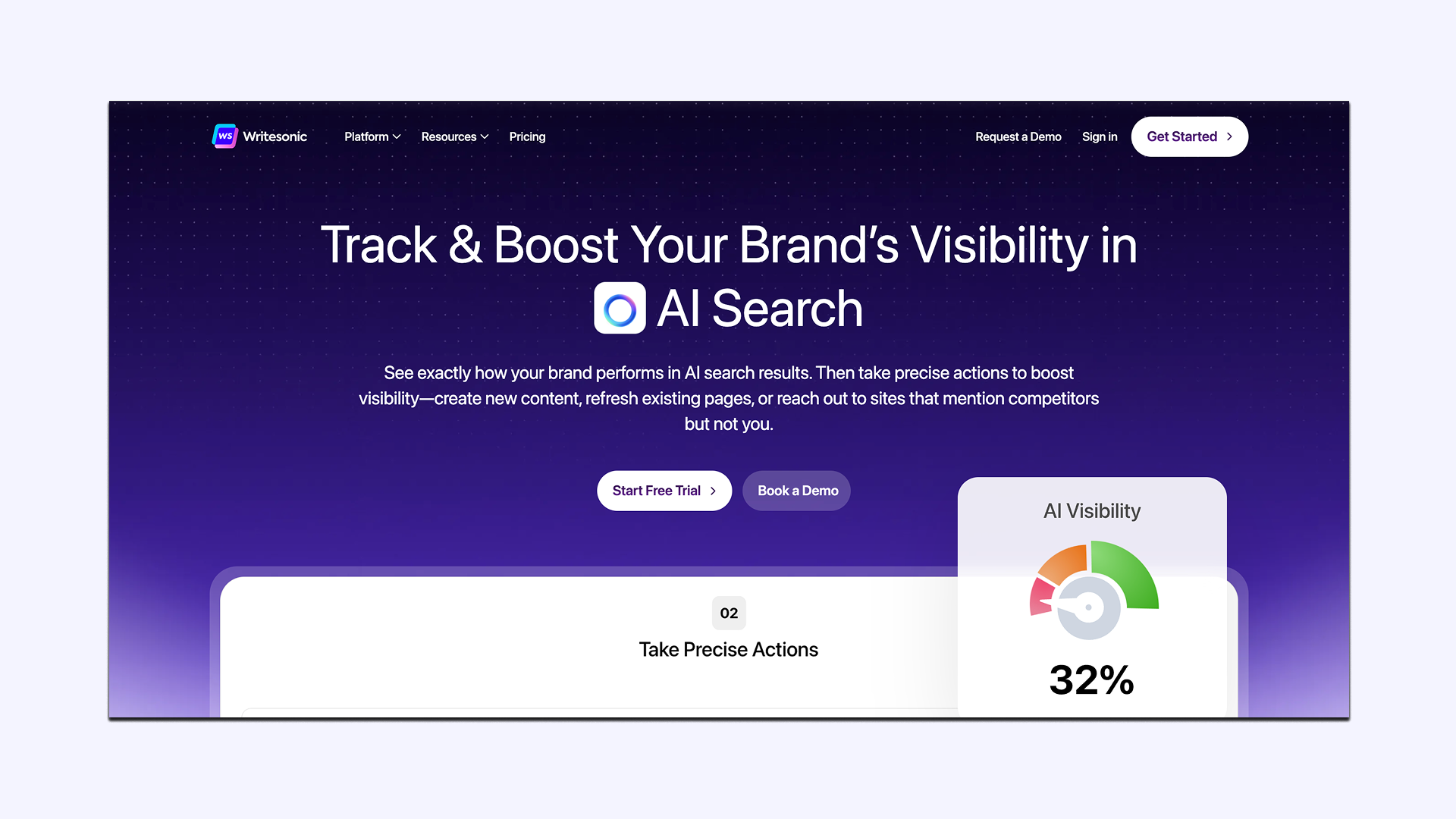
Writesonic offers a balance of creativity and automation. It supports content teams in producing drafts, brainstorming ideas, and creating structured outputs for blogs, landing pages, and marketing campaigns. Its flexibility makes it a strong choice for teams seeking both speed and quality.
While AI can accelerate content creation, it is not a replacement for human insight. Without oversight, AI outputs can lack nuance, creativity, or factual accuracy. They may also miss cultural context, tone consistency, and brand voice, which are critical for effective marketing. Skilled writers and editors are essential to review, refine, and contextualize AI-generated content, ensuring it resonates with target audiences.
Human marketers remain essential for strategy, brand voice, and cultural nuance. While AI empowers SEO writers, copywriters, marketers and content creators with speed, scalability, and data-driven optimization, skilled professionals are still needed to guide it, refine outputs, and ensure messaging truly resonates.
Pearl Talent connects businesses with AI-enabled virtual marketing assistants and content specialists who combine deep marketing expertise with proficiency in AI tools. These teams can rapidly produce high-quality content, optimize it for SEO, and execute campaigns efficiently, all while maintaining authenticity, accuracy, and brand voice.
By integrating AI with human creativity and judgment, companies can scale their marketing operations without sacrificing quality.
Through a managed services model, Pearl Talent provides access to the top 1% of AI-empowered virtual marketing professionals worldwide, enabling companies to turn AI-generated content into measurable business results.
Hire top-tier, AI-enabled marketing talent through Pearl Talent today.

.svg)