
Catena is now Pearl Talent! Same mission, new name.
We connect you with the top Android developers. Pre-vetted, AI-trained, and placed fast.
.svg)




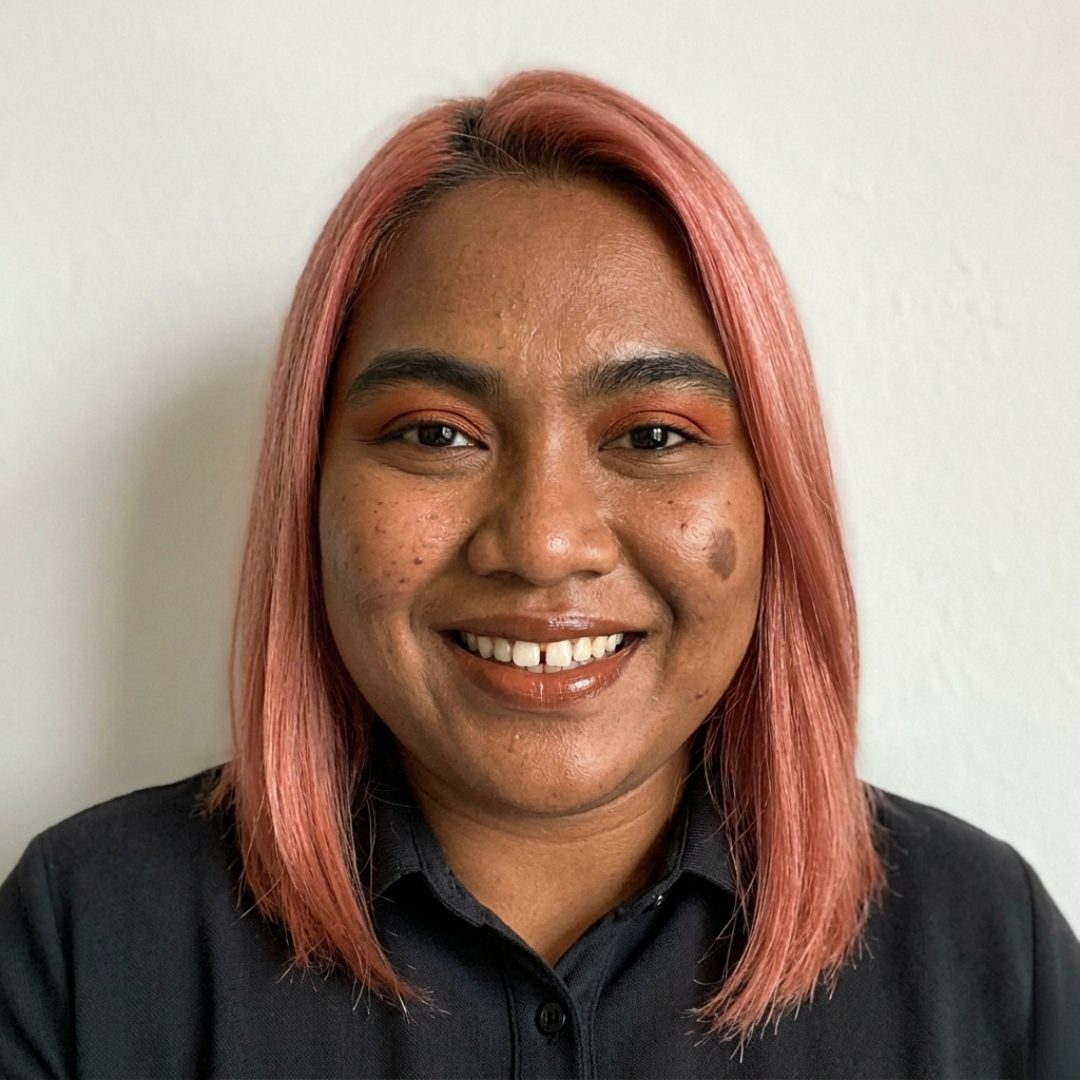
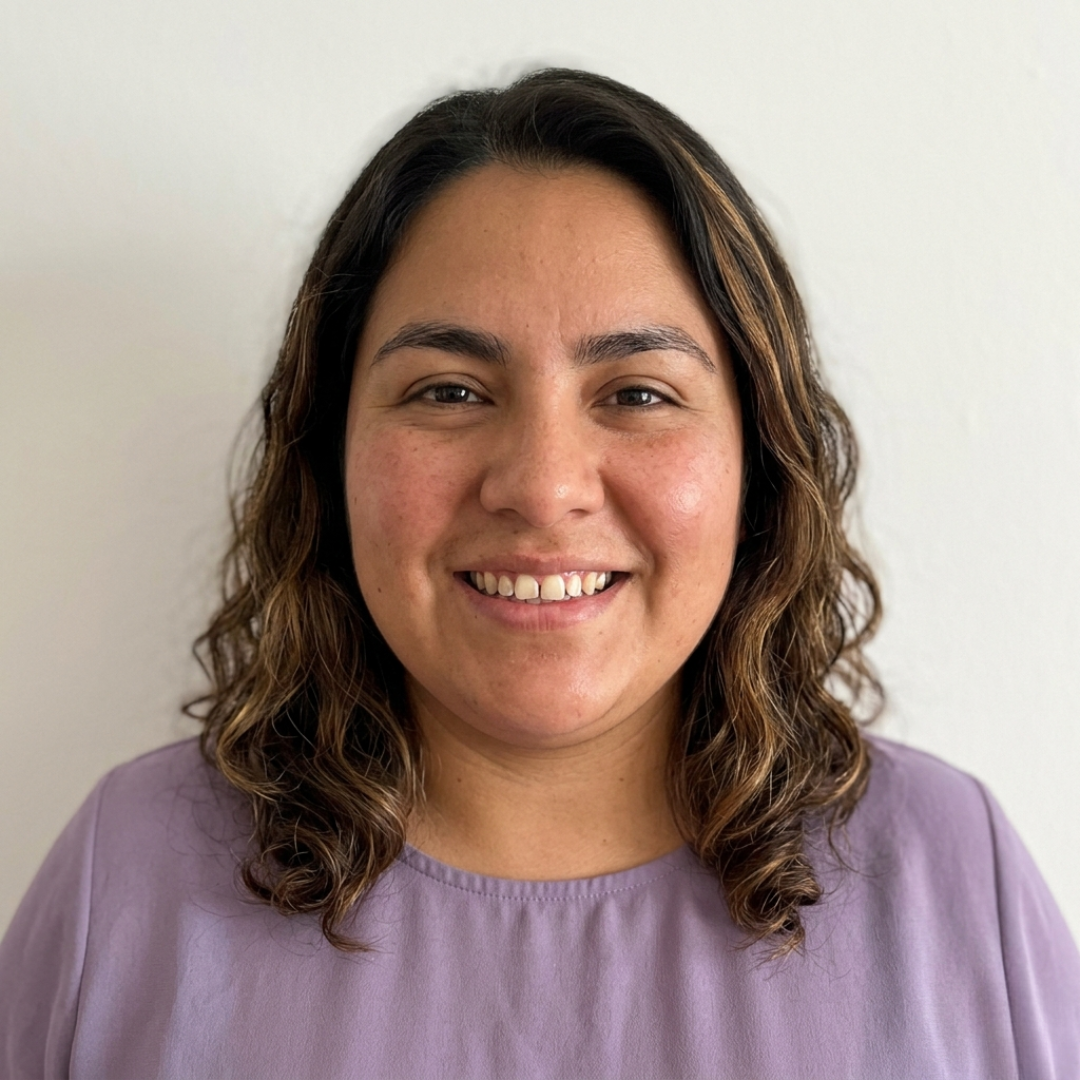
Polish-driven Mobile Engineer who has spent 3 years working on B2B and field-service Android tools for consumer Android startups. Adapts quickly inside remote mobile pods, with a bias for app stability and polish-driven delivery.
Detail-oriented Android Engineer carrying 6 years of B2B and field-service Android tools experience inside remote Android pods. Delivers consistently in Android-led product teams, with strong instincts for app stability and clean architecture.
Execution-focused Android Developer who has delivered Play Store launches and rollouts for 4 years across consumer Android startups. Brings an architecture-aware, product-curious approach that fits well into Android-led product teams.
Architecture-minded Mobile Engineer backed by 5 years of B2B and field-service Android tools work with consumer Android startups. Reliable in Android-led product teams thanks to a polish-driven, product-curious working style.
Polish-driven Android Engineer experienced in consumer Android experiences across remote Android pods. Combines polish-driven with review-friendly, ideal for remote mobile pods.

We keep our talent pool tight. Every candidate has cleared our vetting process and completed our AI training program before they're available to you.
Our talent completes a 5-week AI training program where they learn to use AI for research, communication, operations, and reporting. They're not learning on your time - they show up ready.
Book a call today, interview pre-vetted candidates tomorrow. No waiting weeks for sourcing or screening.

From first call to signed offer in under a week. We've cut the typical 2-month hiring cycle down to days.
Android powers the largest share of the global mobile market, which makes strong Android talent one of the most practical hires for companies building mobile products at scale. According to DemandSage, Android currently powers approximately 72–73% of all mobile devices worldwide. When it comes to hiring Android developers, the challenge is not the knowledge, but the experience of building stable mobile apps, working through device fragmentation, and shipping reliable experiences across a wide range of users. This guide covers how to hire Android developers, what technical depth matters, which tools they should know, and what it costs to hire well.
Android is a mobile operating system developed by Google and used by manufacturers across smartphones, tablets, wearables, TVs, and other connected devices. For companies building mobile products, Android is the operating system behind the largest share of global mobile users, which makes it one of the most important platforms for customer reach and product distribution.
Companies hire Android developers to build, maintain, and improve native mobile applications for Android devices. That includes everything from consumer mobile apps and ecommerce experiences to internal tools, healthcare apps, fintech products, and connected device interfaces. Android development is especially valuable for companies that need broader global device coverage, stronger hardware flexibility, and mobile products built for scale.
Android is widely used in consumer mobile apps, ecommerce, fintech, healthcare, logistics, education, and enterprise tools. It is often the preferred platform for products that need broader device reach, stronger international adoption, or tighter integration with hardware like scanners, tablets, wearables, kiosks, and smart devices.
A strong Android developer should understand Android app architecture, activity and fragment lifecycles, state handling, navigation, and how to build stable native mobile systems.
Kotlin is now the standard for modern Android development. Strong Android developers should be comfortable writing clean Kotlin, using coroutines, and building maintainable native mobile code.
Android developers build for mobile-first interaction. Strong candidates should understand mobile usability, navigation patterns, responsiveness, and how Android users expect apps to behave.
Android development requires working across many devices, screen sizes, manufacturers, and OS versions. Strong Android developers should know how to build stable experiences despite platform fragmentation.
Android users are less forgiving of slow or unstable apps. Strong candidates should understand app responsiveness, memory use, battery impact, and performance optimization on real devices.
Android developers often build for environments where connectivity is inconsistent. Strong candidates should know how to handle caching, background sync, failed requests, and offline behavior cleanly.
Shipping Android apps requires more than writing code. Strong Android developers should understand testing, release pipelines, Play Store requirements, and production app maintenance.
Jetpack Compose is Google’s modern UI toolkit for Android and is increasingly expected in modern Android teams building native interfaces.
Many Android codebases still rely on Java. Strong Android developers should be comfortable working in legacy Java systems even when Kotlin is the primary language.
Firebase is commonly used in Android apps for authentication, analytics, crash reporting, push notifications, and backend support.
Room is one of the most common local persistence libraries used in Android apps for structured local data storage.
Retrofit is widely used in Android development for API communication and clean network request handling.
Coroutines are essential for modern Android concurrency, background work, and asynchronous operations.
Many Android teams use GraphQL for more flexible API queries and better mobile data efficiency.
Kotlin Multiplatform is becoming more common in teams that want to share business logic across Android and iOS while keeping native UI layers separate.
Start with real mobile products, not resume bullets. Look at shipped Android apps, Play Store listings, GitHub work, or production case studies to see what they have actually built.
Ask how they approach Android-specific architecture, navigation, state handling, and app structure. Strong Android developers should think in native Android patterns, not just general mobile concepts.
Skip generic language trivia. Ask how they would improve a slow screen, reduce app crashes, handle offline behavior, or solve issues across multiple Android devices.
Look at how they structure Android modules, manage state, organize data layers, and separate business logic from UI.
Android developers should understand device fragmentation and OS behavior. Ask how they handle screen differences, older Android versions, and inconsistent device behavior.
Ask about testing, CI/CD, Play Store release workflows, monitoring, and what they have done to maintain apps after launch.
This tests platform awareness. Strong candidates should understand how they manage screen sizes, OS versions, and inconsistent device behavior.
This tests mobile performance thinking. Strong candidates should know how to diagnose crashes, memory issues, and slow app behavior.
This tests architecture judgment. Strong answers should show practical understanding of state, data flow, and maintainable Android structure.
This tests real-world mobile thinking. Strong candidates should know how to design around failed requests, retries, caching, and offline support.
This tests production readiness. Strong candidates should understand testing, CI/CD, release workflows, and Play Store deployment.
This tests device awareness. Strong candidates should be able to explain how they diagnosed and resolved inconsistent device behavior.
This tests code quality and team maturity. Strong answers should include readability, modularity, documentation, and maintainability.
For US companies, the cost to hire Android developers depends heavily on seniority, mobile specialization, and how much product ownership the role requires. According to the U.S. Bureau of Labor Statistics, the median annual wage for software developers in the United States is about $133,080, or roughly $64 per hour. For more specialized mobile talent, especially Android developers with deeper native experience, the top end of the market climbs much higher, with the top 10% earning more than $211,450 annually.
The gap between junior and senior Android talent is also significant. Entry-level Android developers typically fall around $55,000 to $64,000 USD, while senior Android specialists with 10+ years of experience often land between $113,000 and $152,000 USD depending on architecture depth, Kotlin expertise, and production mobile experience. Developers with stronger Play Store release experience, device-level debugging, and deeper native Android knowledge usually command the highest end of the range.
For most US companies, the real cost is not just salary. It is also the cost of sourcing, screening, slower hiring cycles, and the internal time spent filling a specialized mobile role. That is why many teams look beyond local hiring markets when they need strong Android talent without carrying the full cost of a slower in-house search. That is where Pearl Talent changes the cost equation by helping companies hire full-time Android developers from the Philippines, Latin America, and South Africa with pre-vetted profiles, faster hiring cycles, and less operational overhead than building the same process in-house.
If you need full-time Android developers who can contribute quickly and grow with the team, Pearl Talent helps you hire pre-vetted talent from the Philippines, Latin America, and South Africa without the drag of sourcing, screening, and hiring alone.

Our Premium White-Glove Service Starts At $3,000 Per Month, Offering 60% Cost Savings Compared To Us-Level Talent While Maintaining The Same Quality Standards. This Includes Comprehensive Managed Services, Ongoing Support, And Training.
The Entire Process From Initial Requirements To Starting Work Typically Takes 13-21 Days, Significantly Faster Than Traditional Hiring Processes While Ensuring Quality Matches Through Our Rigorous Vetting Process.
Yes, We Focus On Long-Term Partnerships With A 90%+ Retention Rate Approach. We Offer Our 90-Day Talent Guarantee With Free Replacements And Focus On Candidates Looking For Long-Term Career Growth Rather Than Transactional Hiring.
Focus On Technical Expertise, Relevant Experience, Problem-Solving Abilities, And Strong Communication Skills. Our Talent Comes From Top Universities And Companies With Proven Track Records.
Pearl Talent Connects You With Top-Tier Android Developers From Our Exclusive Global Networks, Ensuring You Access The Best Skills Regardless Of Geographical Limitations While Maintaining Us-Level Quality Standards.
Include Required Technologies, Specific Project Details, Experience Level, And Technical Skills. Pearl Talent'S Experts Can Help Craft Effective Job Descriptions That Attract Quality Candidates From Our Pre-Vetted Talent Pool.