Catena is now Pearl Talent! Same mission, new name.
Customer support has quietly moved from “nice to have” to mission‑critical. A few years back, it was mostly about answering questions and closing tickets. Now? It’s about protecting your brand, keeping customers loyal, and creating experiences that actually make people stick around (which, let’s be honest, is everything).
The catch is that building and running a support team in‑house takes serious time and money. For lean teams trying to move fast, it can feel like dragging an anchor. That’s why outsourcing exists, thankfully! Customer support outsourcing companies bring trained teams, proven processes, and the right tools, without forcing you to hire and manage a department from scratch.
Done well, outsourcing frees founders to focus on growth while customers get the quick, reliable help they expect. Done poorly, it can leave gaps in quality and consistency, so it is really not something to jump into blindly.
This guide breaks down what customer support outsourcing really looks like in 2026: the upsides, the downsides, the companies leading the way, and how to choose the right partner. The goal is simple: help you figure out if outsourcing fits your stage and priorities, and how to make it work if it does.
At its simplest, outsourcing customer support means you’re not the one answering every email at midnight or juggling live chat while trying to finish a pitch deck. Instead, you bring in a partner whose job is to handle those conversations, whether it’s phone calls, chat windows, technical troubleshooting, or the endless “I forgot my password” tickets. They already have the systems and trained people in place, so you don’t have to reinvent the wheel. Think of it less as “handing off” your customers and more as extending your team with specialists who live and breathe support.
For early‑stage founders, the decision usually comes down to sanity. You can’t build product, chase investors, and still keep up with a growing inbox. Outsourcing buys you breathing room. Need coverage during a product launch? Done. Want to offer support in Spanish or Portuguese without hiring locally? Possible. Customers expect quick replies, and outsourcing lets you deliver that without burning out your small team. Now, for scaling companies, it’s not just about survival, it’s about keeping pace with expectations while staying lean.
Here’s the trade‑off: control versus flexibility. An in‑house team is steeped in your culture, sitting right next to product managers, and catching updates in real time. Outsourced teams bring efficiency and expertise, but they need clear guidance to sound like you and act like you. In‑house support is slower and more expensive to build, but it’s tightly integrated. Outsourcing is faster, cheaper, and easier to scale, though you’ll need to invest in onboarding and communication so those external agents feel like part of the crew, not just a vendor on the other side of the screen.
Outsourcing is a tactical move; it’s a way to reshape how your company handles customer interactions. The right partner can turn support from a constant drain on time and resources into a scalable function that grows alongside your business.
Let’s break down the main advantages, starting with the one most founders notice first: cost savings and flexibility.
Hiring, training, and retaining a full support team isn’t cheap. Outsourcing flips that equation: you pay for what you need, when you need it. Maybe it’s a handful of agents during launch week, or a bigger crew during the holiday season. Instead of fixed salaries and overhead, you get a flexible model that scales up or down without the HR headache. And for founders, that means more budget left for product and growth, not payroll bloat.
Customers don’t care about your time zone; they really just want answers when they need them. Outsourcing makes it possible to offer round‑the‑clock coverage without asking your internal team to pull all‑nighters. Many providers also bring multilingual support to the table, so you can serve customers in Spanish, French, or Mandarin without scrambling to hire locally. It’s a simple way to look bigger than you are, and to meet global expectations from day one.
Building a support team in‑house means job postings, interviews, onboarding, and constant training. Outsourcing skips that entire process. Providers already have trained agents who can plug into your systems quickly. Need ten new reps next month? Done. No resumes, no payroll setup, no benefits paperwork. For startups and scaling teams, that speed can be the difference between keeping customers happy and drowning in unanswered tickets.
Good outsourcing firms don’t just bring people, they bring infrastructure. Ticketing systems, QA processes, reporting dashboards, even AI‑powered chat tools are often part of the package. Instead of piecing together your own stack, you get access to proven workflows that have been tested across industries. It’s like borrowing someone else’s playbook until you’re ready to build your own.
Outsourcing support can be a lifesaver, but it’s not a silver bullet. There are bumps along the way, and pretending otherwise just sets you up for disappointment. The good news is most of these challenges are pretty common, which means they’re also fixable if you go in with eyes open.
Your brand has a certain “voice”, maybe it’s casual and friendly, maybe it’s buttoned‑up and professional. Outsourced agents don’t automatically speak that language. Without training, you risk replies that feel off, like a stranger answering on your behalf. The fix? Give them playbooks, examples, even phrases you don’t want used. It’s a bit of upfront work, but once they catch the rhythm, consistency follows.
Support, yes, it is about solving problems, but deep down, it really is about empathy. And sometimes cultural differences sneak in. A phrase that sounds polite in one country might feel blunt somewhere else. The way around this is simple: onboarding, feedback loops, and making sure your provider hires people who actually understand your customer base. Outsourcing works best when agents feel like part of your crew, not outsiders reading from a script.
Let’s be real: customer support means handling sensitive stuff like billing info, account access, sometimes even personal data. Handing that to a third party adds risk. The solution is to be picky. Ask about compliance (GDPR, and SOC 2), dig into how they store data, and don’t settle for vague answers. Something is for sure: security isn’t the place to cut corners.
This is where Pearl Talent’s approach makes a difference. Instead of dropping you into a cookie‑cutter setup, we build around your brand voice and customer expectations. Our teams train on your playbooks, not generic scripts. We lean on nearshore talent to reduce cultural gaps and keep communication smooth. And when it comes to compliance, we operate with strict standards so you can scale without second‑guessing. In short, we provide alignment.
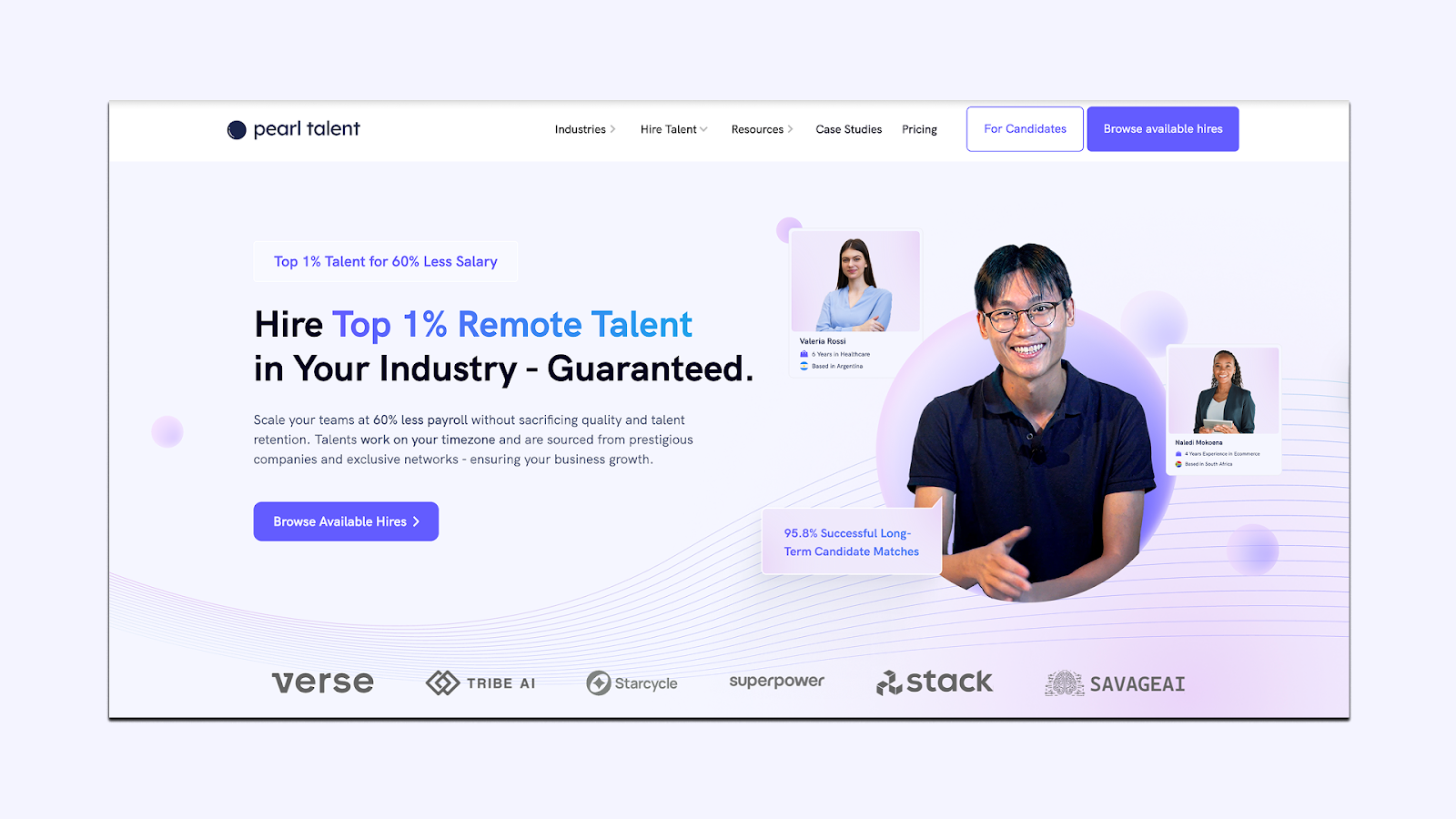
Overview: Pearl Talent is designed for founders who want outsourcing without the baggage. The company focuses on lean, offshore teams that align with U.S. startups and scaling businesses.
Best for: Startups, medium-sized businesses, and enterprises that need flexibility, cultural alignment, and contracts designed for founders.
Strengths: Flexible engagement models, a globally diverse pool of top 1% talent, and a strong onboarding and training program.
Watchouts: Smaller scale compared to global giants, but that’s intentional. Pearl Talent prioritizes quality over sheer volume.
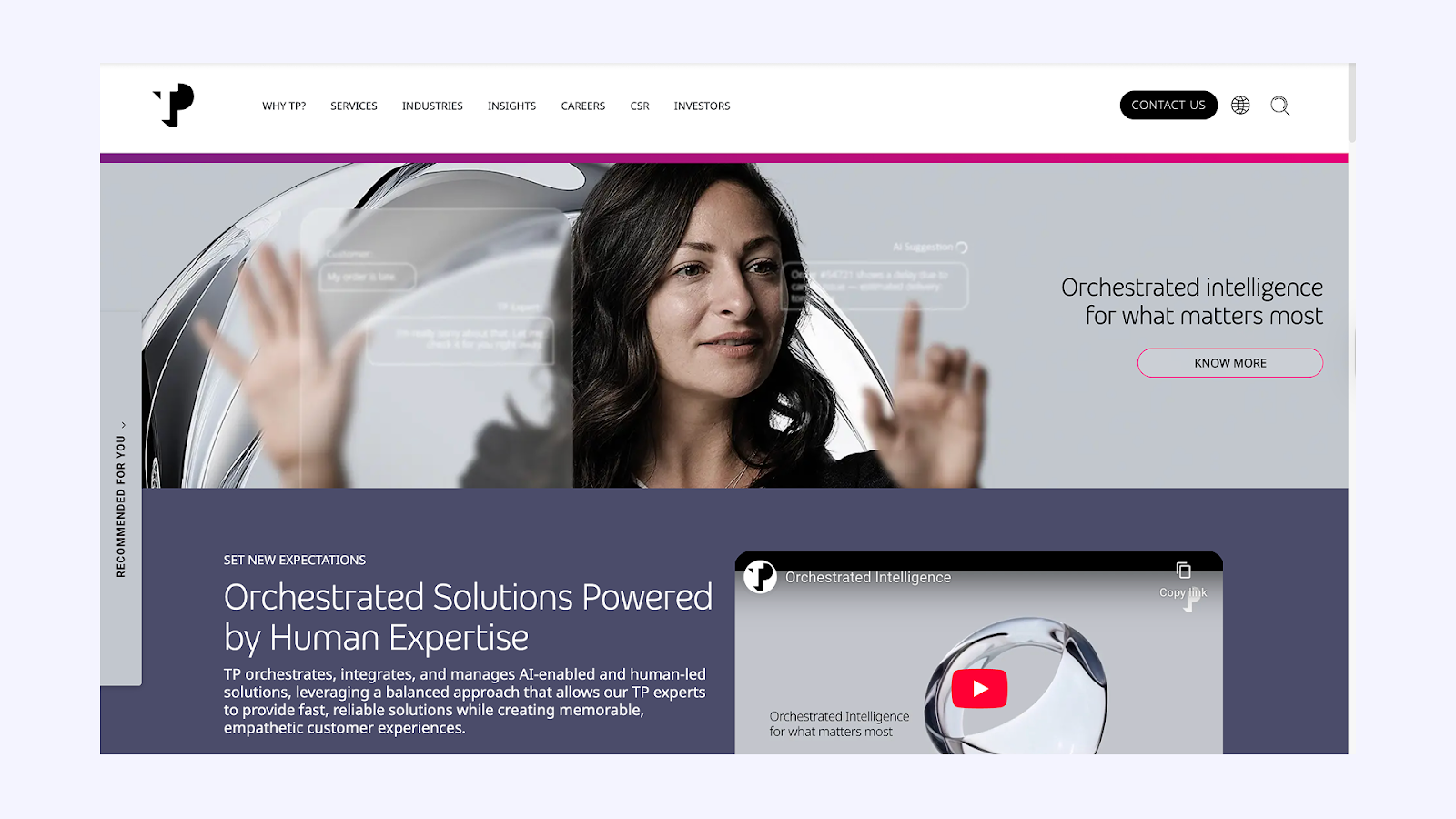
Overview: One of the largest outsourcing firms worldwide, with operations in 80+ countries. Best for: Enterprises needing massive scale and multilingual coverage.
Strengths: Global reach, advanced infrastructure, ability to spin up large teams quickly. Watchouts: Smaller clients may struggle to get personalized attention.
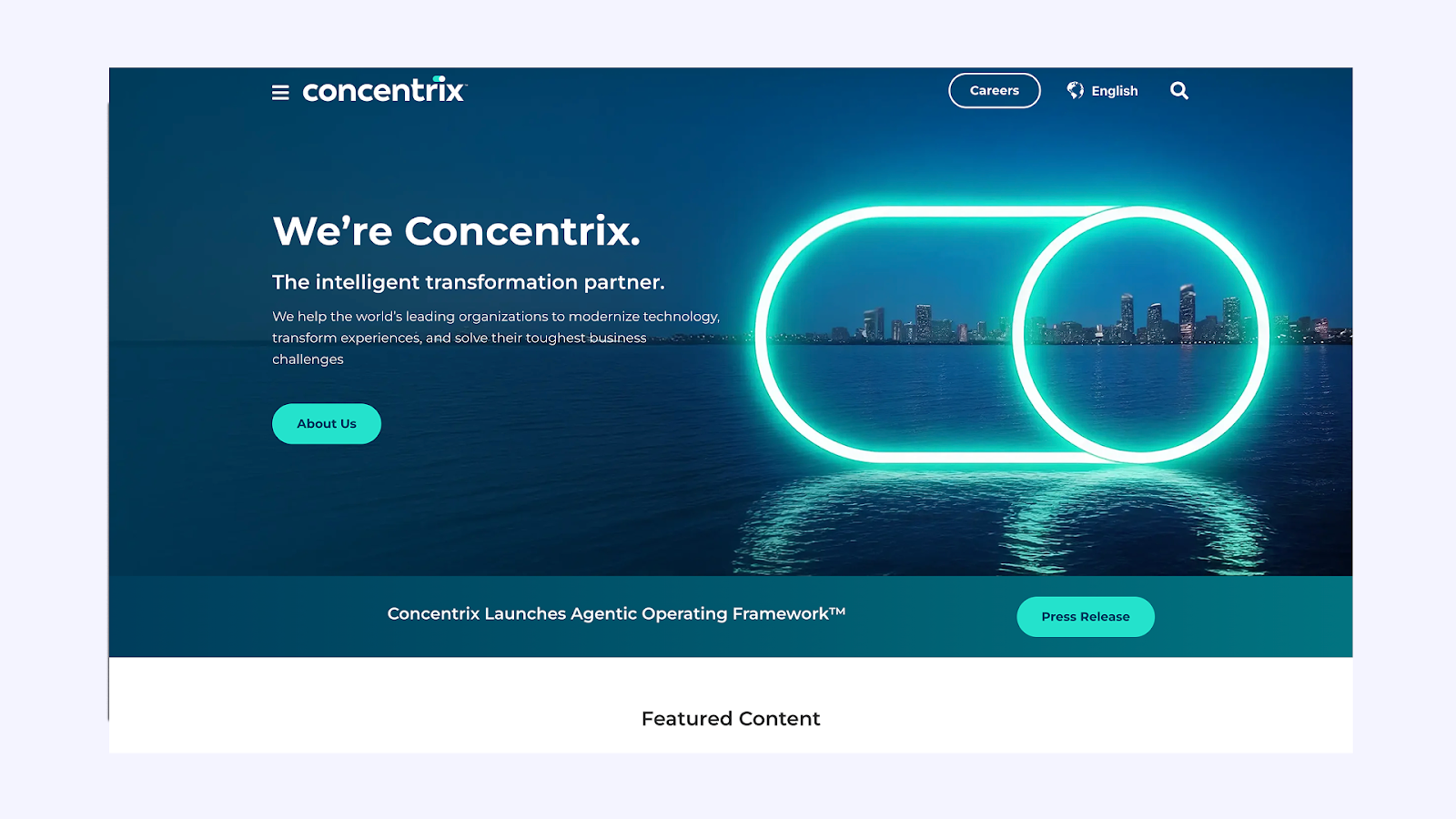
Overview: A global leader known for combining customer support with analytics and CX design.
Best for: Companies that want data‑driven insights alongside support.
Strengths: Omnichannel support, strong reporting, enterprise‑grade systems.
Watchouts: Pricing and complexity may be overkill for lean startups.
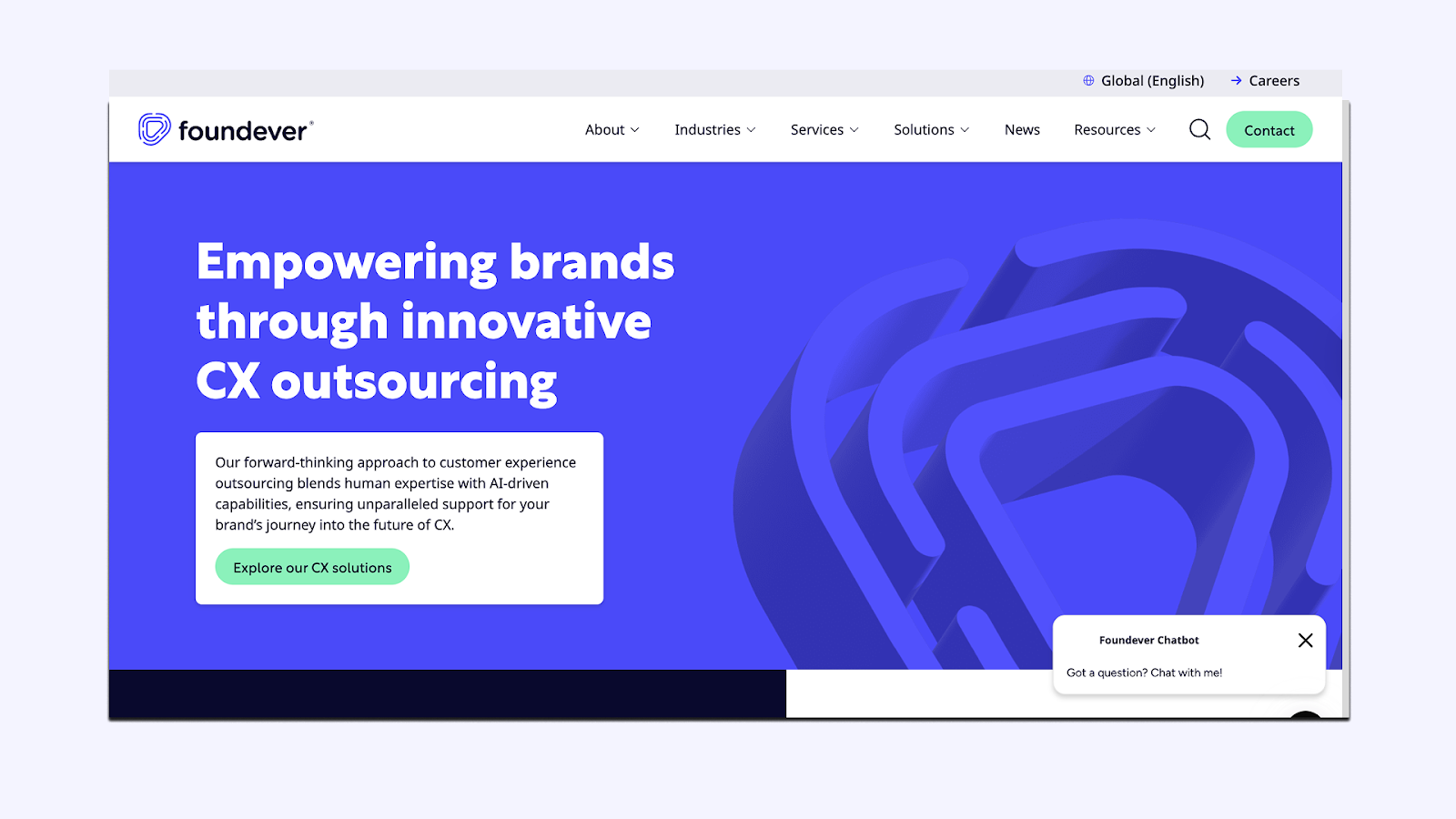
Overview: A major player offering multilingual support and CX consulting.
Best for: Businesses that want both support and customer experience strategy.
Strengths: Large talent pool, strong training programs, global coverage.
Watchouts:Similar to other giants, smaller clients may feel lost in the shuffle.
Overview: A favorite among tech companies for its modern, culture‑driven approach.
Best for: Fast‑growing startups in SaaS, fintech, or consumer apps.
Strengths: Digital‑first support, strong employee culture, flexible scaling.
Watchouts:Premium pricing compared to boutique firms.
Overview: Boutique outsourcing firm specializing in SaaS and tech support.
Best for: Early‑stage SaaS companies needing multilingual support.
Strengths: Industry focus, multilingual capabilities, flexible contracts.
Watchouts: Limited scale compared to global providers.
Overview: Nearshore provider with a strong footprint in LATAM.
Best for: U.S. startups that want bilingual support and overlapping time zones.
Strengths: Cultural alignment, bilingual talent, competitive pricing.
Watchouts: Smaller global footprint outside LATAM.
Overview: Outsourcing partner focused on startups and SMBs, offering tailored teams.
Best for: Companies that want a boutique feel with scalable options.
Strengths: Custom team setups, flexible engagement models.
Watchouts: May not match the scale of enterprise‑focused providers.
Overview: Mid‑sized provider offering multilingual support and scalable solutions.
Best for: E‑commerce brands and mid‑market companies.
Strengths: Multilingual coverage, affordable pricing, flexible packages.
Watchouts: Less specialized than boutique SaaS‑focused firms.
Overview: Emerging player offering nearshore and offshore support with flexible models.
Best for: Startups experimenting with outsourcing for the first time.
Strengths: Flexible contracts, mix of nearshore and offshore talent.
Watchouts: Still building reputation compared to established players.
Outsourcing firms don’t all look the same. If you zoom out, they usually fall into three rough categories:
Global Leaders: These are the giants. They’ve got thousands of agents spread across dozens of countries, speaking just about every language you can think of. If you need scale, they deliver. The flip side? You might feel like a small client in a massive system.
Nearshore Specialists: Think providers in places like LATAM working closely with U.S. startups. The big win here is cultural fit and overlapping time zones, plus bilingual talent at rates that don’t crush your budget. For a lot of founders, this feels like the sweet spot: reliable support without the “middle of the night” communication gaps.
Boutique Firms: Smaller agencies that zero in on niches like SaaS, e‑commerce, or tech. They’re scrappy, flexible, and often feel more like partners than vendors. The trade‑off is scale; if your support volume suddenly spikes, they may not be able to ramp up as fast as the big players. But for early‑stage teams, that close partnership can be worth more than raw capacity.
Outsourcing isn’t free, but compared to hiring, training, and managing a full in‑house team, it’s usually a breath of fresh air for your budget. The actual price tag depends on how you set things up, where your team is based, and how much quality you’re willing to pay for. Let’s break it down without the jargon.
Most providers stick to three simple ways of charging:
Think of it like picking a gym membership: unlimited, pay‑as‑you‑go, or per class. Each has its perks depending on your stage.
Here’s the catch: chasing the lowest rate can backfire. Sure, saving money feels great, but if customers get robotic replies or feel brushed off, the churn will cost you more in the long run. The real win is finding a provider that balances affordability with quality — agents who sound like your brand, respond quickly, and actually solve problems.
That’s why Pearl Talent leans into flexible contracts. You get competitive rates without sacrificing cultural fit or responsiveness. Long story short: savings, but not at the expense of customer trust.
Choosing the right outsourcing partner isn’t just a line item decision; you have to actually trust them. You’re literally handing over the voice of your company to another team. If they nail it, customers feel cared for. If they don’t, you’ll spend more time fixing problems than saving money. Here’s how to make the choice with confidence.
The answers matter, but so does the vibe. If they dodge questions or sound rehearsed, that tells you everything you need to know.
Outsourcing customer support isn’t a one‑size‑fits‑all decision. For some teams, it’s the fastest way to scale without drowning in tickets. For others, it’s a way to save money while still giving customers the responsiveness they expect. The trick is knowing what you need right now, and picking a partner that actually fits your stage, not just the cheapest option or the biggest name.
Done right, outsourcing feels less like “handing things off” and more like adding teammates who care about your brand as much as you do. Done wrong, it can create gaps in quality, culture, and trust. That’s why the evaluation process matters: ask the hard questions, watch for red flags, and don’t settle for generic scripts or rigid contracts.
Why Pearl Talent Stands Out: We built our model to avoid these traps. Flexible contracts (90-day replacement), nearshore & offshore talent for cultural fit, and processes shaped around your brand voice. Instead of forcing you into a rigid setup, we adapt to your stage and priorities, so outsourcing feels less like a gamble and more like adding teammates who actually care.
At the end of the day, customer support is about people, your customers, your team, and the partners you choose. If you get that part right, the rest (cost savings, scalability, tools) falls into place. Start outsourcing the smart way — book a call with Pearl Talent.

.svg)