Catena is now Pearl Talent! Same mission, new name.
Hiring remote talent in 2026 requires more than job boards or freelance platforms. If you’re hiring remotely, you already know the challenge: the talent pool is global, but the noise is deafening. Job boards are flooded. Freelance platforms are hit-or-miss, and sorting through hundreds of applications just to find one qualified candidate is a time sink.
That’s why more founders, operators, and hiring managers are turning to recruiters who specialize in remote jobs. These aren’t just traditional headhunters; they’re partners who understand distributed teams, timezone alignment, async workflows, and the nuances of hiring across borders.
But all remote recruiters have different work structures; some focus on tech roles, some specialize in executive assistants or creative talent. Some recruiters have a retainer pricing model and charge placement fees. But Pearl Talent is built to support lean, global teams, helping you hire top 1% remote talent at 60% of the US cost.
In this guide, we’ll discuss:
Hiring remotely isn’t just about finding someone who can work from home; it’s about finding someone who can thrive in a distributed team, communicate clearly across time zones, and deliver without constant oversight. That’s why choosing the right recruiter matters.
But “best” doesn’t mean the same thing to every company. Some teams need speed. Others need deep vetting. Some want help with one role; others are building entire remote departments. So let’s break down what makes a remote recruiter truly great, and who’s leading the pack in 2026.
The best recruiters for remote jobs aren’t just good at sourcing talent; they understand the nuances of remote work. That includes:
A great remote recruiter acts like an extension of your team, not just a middleman. They help you hire smarter, faster, and with less risk.
Here are some of the most recommended recruiters for remote jobs this year, each with a different focus and strength:
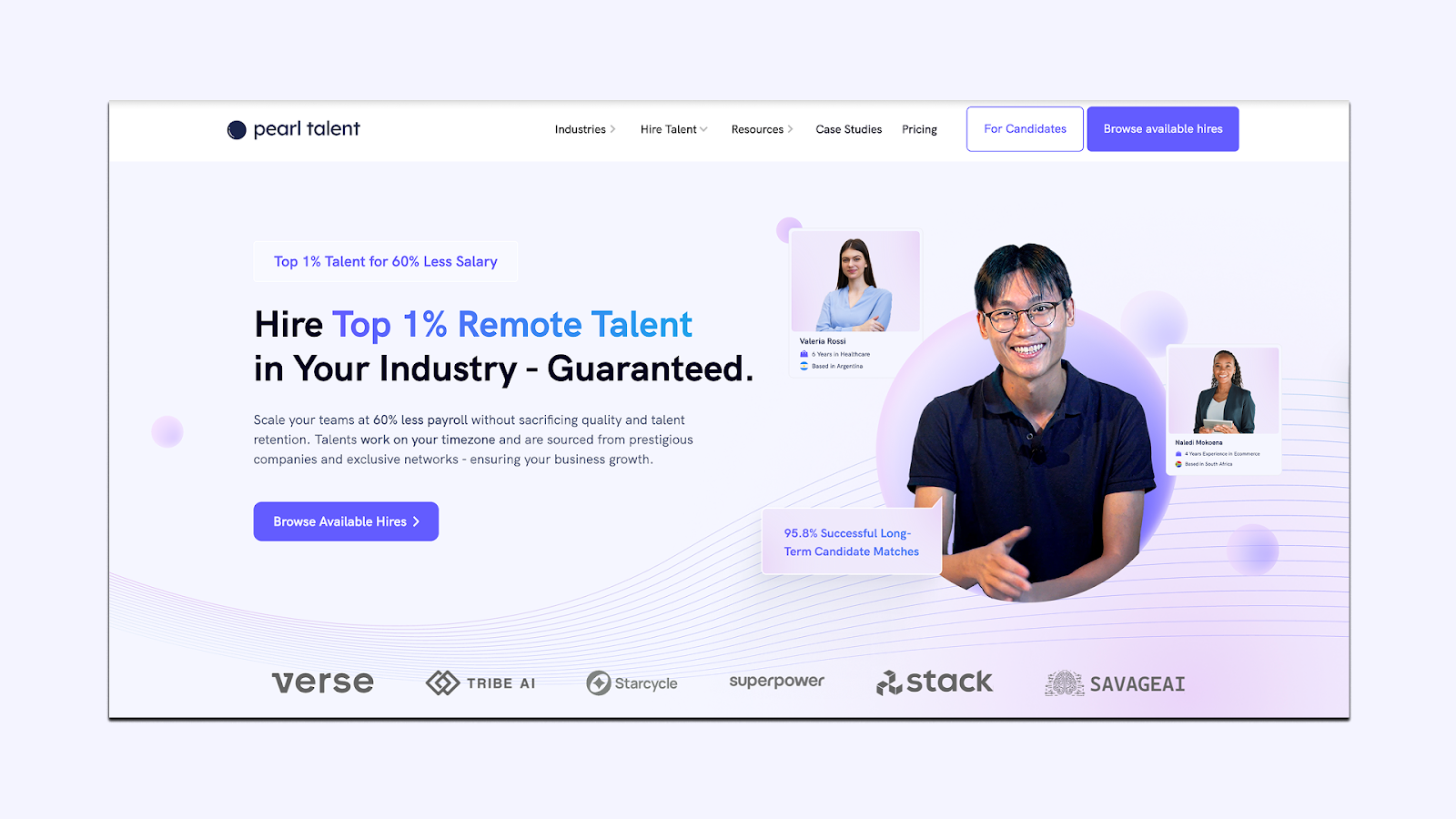
Pearl specializes in placing top 1% remote talent across the Philippines, Latin America, and South Africa. They support roles beyond just executive assistants, including designers, marketers, SDRs, and operations. Their model is flexible (90-day guaranteed replacement), fast, and built for lean, global teams.
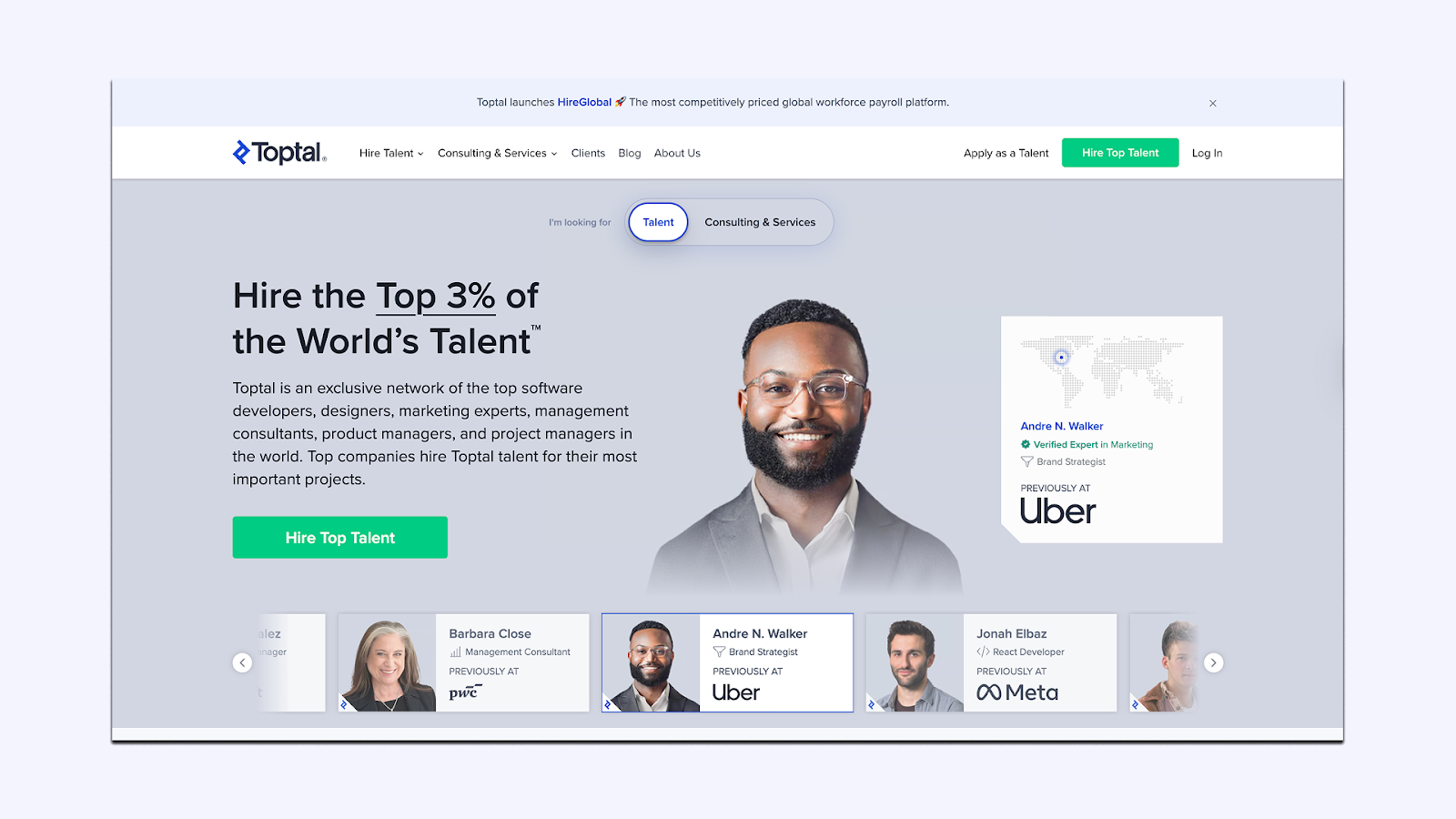
Known for elite freelancers in tech and design, Toptal offers deep vetting and high-quality candidates. It’s a strong option for engineering-heavy teams, though pricing is on the higher end and role diversity is limited.
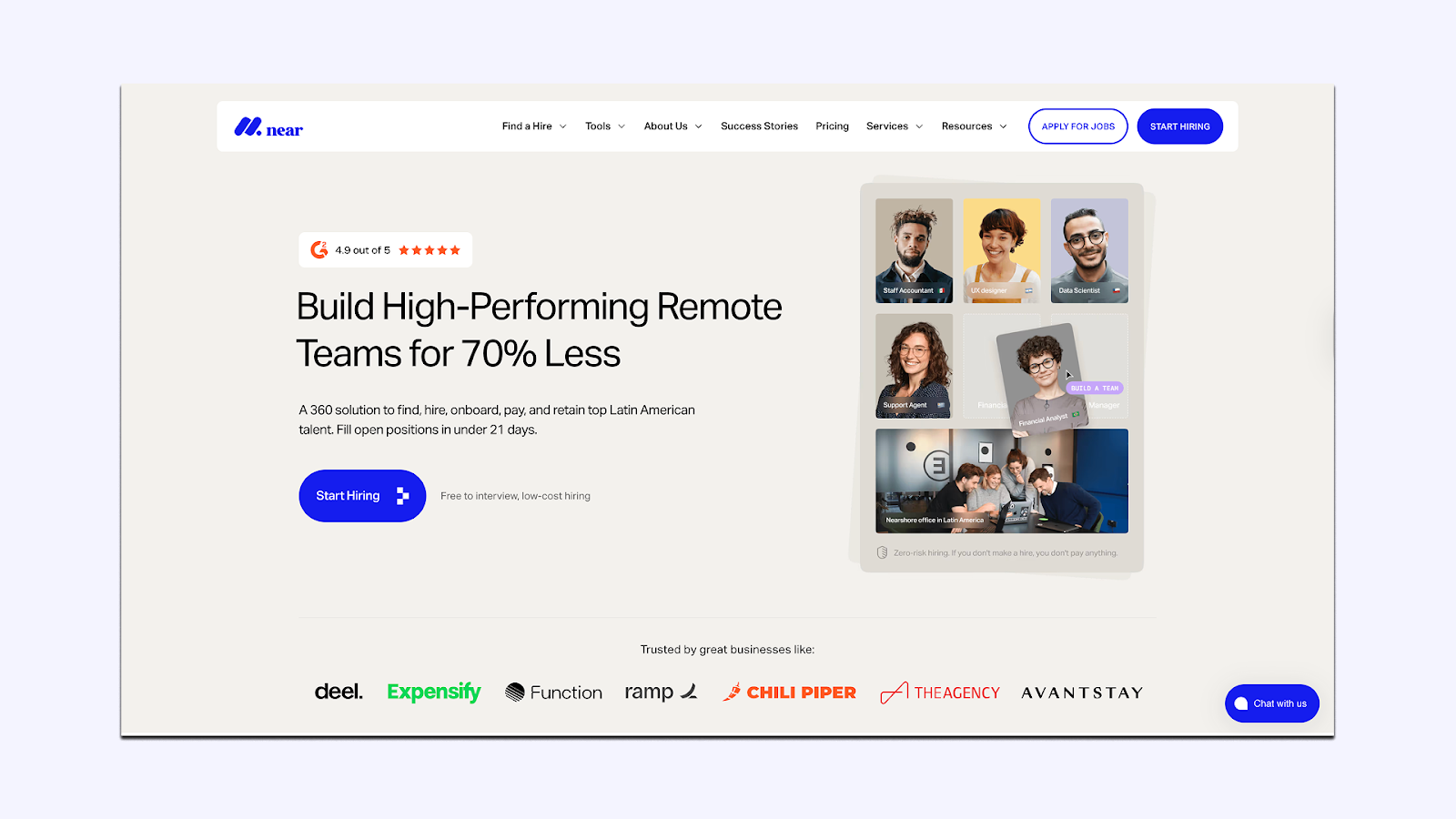
Near focuses on LATAM-based remote talent, making it a good fit for U.S. teams that want timezone alignment and cost savings. Their network is smaller, but well-curated for startups.
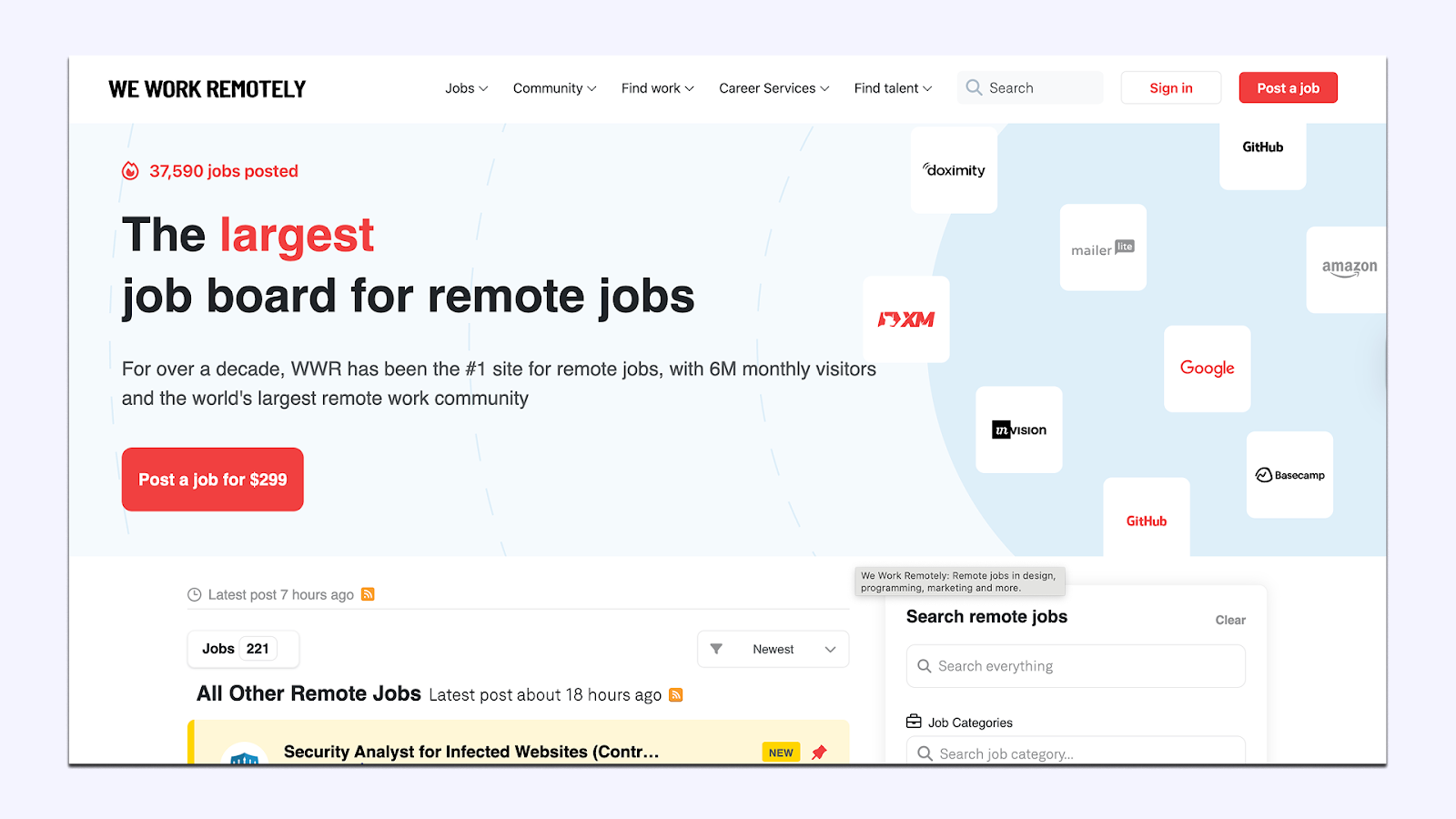
This is a job board, not a recruiter, but it’s one of the largest platforms for remote job postings. It’s self-serve, so you’ll need to handle sourcing and vetting yourself.
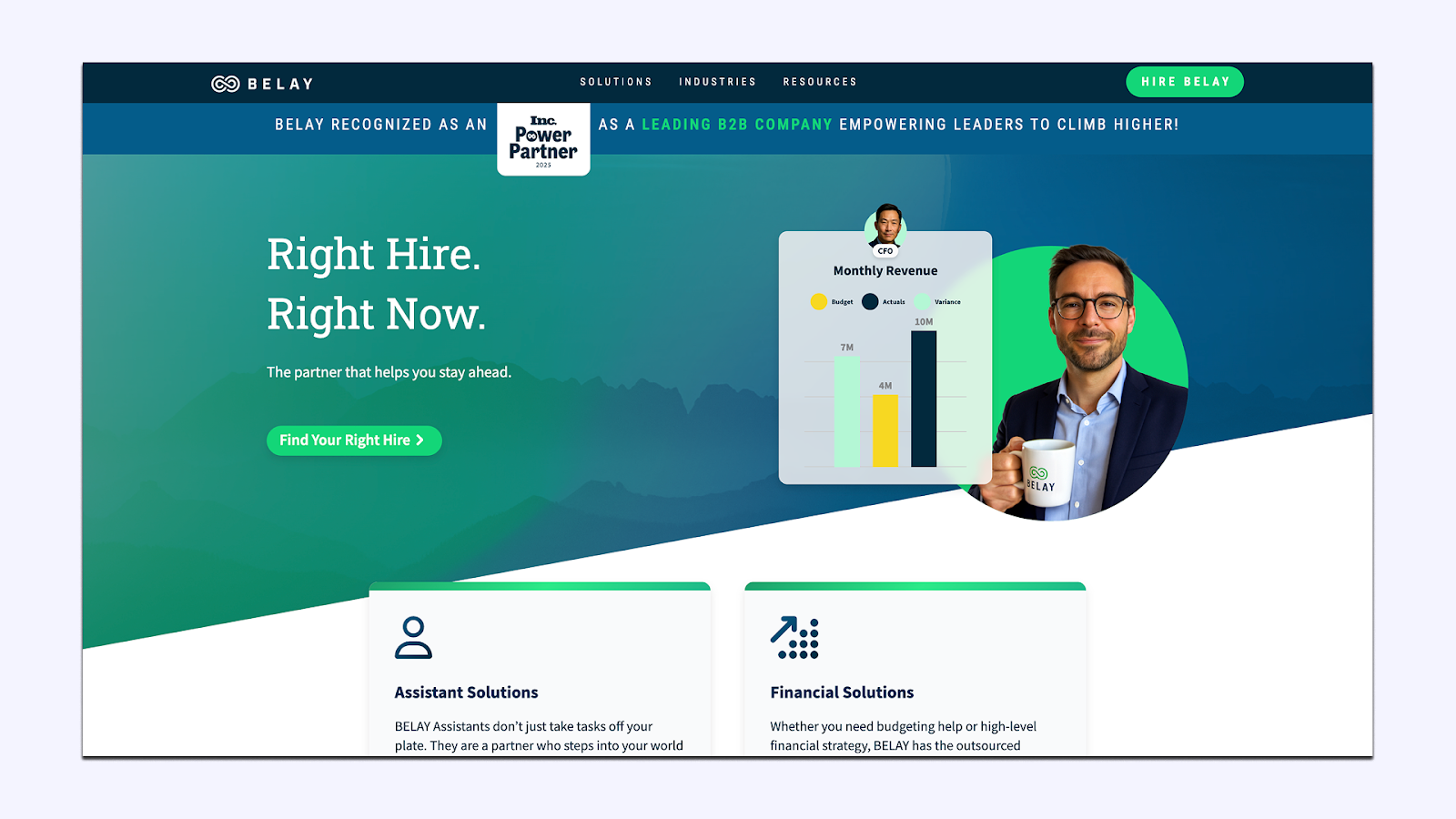
Belay offers U.S.-based executive assistants and bookkeepers, often part-time. It’s a solid choice for teams that want domestic support and are focused on admin roles.
Pearl Talent isn’t just another remote hiring agency. It’s built specifically for founders and operators who want:
Unlike platforms that leave you to sort through hundreds of profiles, Pearl handles the vetting, matching, and onboarding, so you can focus on building your team, not managing the hiring process.
If you’re hiring remotely and want leverage, Pearl is built for that.
Hiring remotely isn’t just about filling a role; it’s about finding someone who fits your culture, communicates clearly, and thrives without constant oversight. That’s why choosing the right recruiter matters. The best remote hiring partners don’t just send resumes; they help you define the role, vet for fit, and move fast without sacrificing quality.
Not all recruiters understand remote work. Here’s what to prioritize when choosing one:
A strong remote recruiter acts like a strategic partner, not just a resume broker.
Before you commit to a recruiter, ask:
These questions help you filter out recruiters who aren’t built for remote, and find one who can actually support your team.
Avoiding these traps can save you weeks of wasted time and thousands in mis-hires.
Startups don’t hire like big companies. They move fast, iterate constantly, and need talent that can wear multiple hats. That’s why remote recruitment for startups requires a different approach, one that’s flexible, founder-friendly, and built for scale.
Startups face unique hiring challenges:
Recruiters who understand startups know how to find candidates who are scrappy, adaptable, and ready to build.
Pearl Talent’s model offers:
Whether you’re hiring your first assistant or building a remote team from scratch, Pearl helps you do it with speed, clarity, and confidence.
Remote hiring isn’t one-size-fits-all. The recruiter you choose should understand the nuances of each role, from technical depth to creative collaboration to executive support. A great recruiter doesn’t just find talent; they match mindset, timezone, and communication style to your team’s needs.
Here’s what to expect when hiring across functions, and why specialization matters.
Hiring remote tech talent is notoriously competitive. You’re not just looking for someone who can write clean code, you need someone who can work independently, communicate clearly, and collaborate across time zones.
Strong remote tech recruiters will:
Pearl Talent sources developers and PMs from Latin America and South Africa, where timezone overlap and English fluency are strong. They focus on candidates who’ve worked in startup environments and can ship fast without hand-holding.
Creative roles require more than just portfolios, they require taste, clarity, and the ability to execute without constant feedback loops. Remote creative talent needs to be self-directed, responsive, and aligned with your brand voice.
Great recruiters for creative roles will:
Pearl Talent places designers, content strategists, and marketers who’ve worked with global startups and understand conversion, brand, and performance. They don’t just send portfolios — they send people who can deliver.
Remote EAs and operations hires are the backbone of distributed teams. They manage calendars, inboxes, travel, hiring pipelines, and internal systems, often without direct supervision.
The best EA recruiters will:
Pearl Talent’s EA network is one of its strongest assets. They place assistants who are proactive, detail-oriented, and trained to support founders in high-growth environments. Many clients say their Pearl EA became indispensable within weeks.
If you’re hiring remotely, you’ve probably considered platforms like Upwork, Fiverr, or FlexJobs. They’re easy to access, budget-friendly, and offer a massive pool of global talent. But they’re not built for strategic hiring, especially if you’re scaling a team, filling critical roles, or looking for long-term fit.
Here’s how they compare to full-service remote recruiters.
Freelance platforms are great for short-term tasks and quick wins. You can find freelancers for design, writing, development, and admin — often at competitive rates. But the burden of vetting, onboarding, and managing falls entirely on you.
Pros:
Cons:
If you need a logo, a blog post, or a quick landing page, Upwork might work. But if you need someone to own a function, like growth, ops, or design, freelance platforms rarely deliver the consistency or strategic fit you need.
Job boards are passive tools. You post a role, wait for applicants, and hope the right person finds it. They’re useful for brand visibility and reaching niche audiences, but they don’t help you define the role, vet candidates, or move quickly.
Pros:
Cons:
Job boards are best when you have time to manage the process yourself, and a clear idea of what you’re hiring for. They’re not ideal for urgent hires or complex roles.
Full-service recruiters are built for strategic hiring. They handle sourcing, vetting, matching, onboarding, and even compliance, giving you leverage instead of more work. They’re ideal for startups, remote-first teams, and founders who want to hire fast without compromising on fit.
Pearl Talent: Pearl specializes in placing top 1% remote talent across Latin America, South Africa, and the Philippines. They support a wide range of roles: from executive assistants to designers, SDRs, marketers, and operations leads. Pearl offers:
Near: Near focuses on LATAM-based talent, offering strong timezone alignment and cost savings. It’s a solid option for U.S. teams hiring in Spanish-speaking markets. However, their network is smaller and more limited in role diversity.
Toptal: Toptal is known for elite freelancers in tech and design. Their vetting is rigorous, and quality is high, but pricing is premium, and coverage is narrow. It’s best for engineering-heavy teams with budget flexibility.
If you’re hiring strategically, not just tactically, full-service recruiters give you speed, precision, and support. Pearl stands out for its flexibility, multi-role coverage, and founder-first model. It’s not just about filling a seat, it’s about finding someone who can help you build.
Hiring remotely opens up a world of possibilities, but it also introduces complexity. You’re navigating global talent pools, timezone logistics, cultural fit, and compliance. The right recruiter doesn’t just help you hire; they help you scale with confidence.
So how do you know whether to use a recruiter or go with a platform? And if you do choose a recruiter, how do you pick one that’s actually built for remote teams?
Use a platform (like Upwork or FlexJobs) when:
Use a recruiter when:
Platforms give you access. Recruiters give you leverage.
Pearl Talent isn’t just a recruiter; it’s a remote hiring partner designed for startups, operators, and distributed teams. Pearl doesn’t just help you hire. They help you build a remote team that actually works.
If you’re ready to hire remote talent and want to do it without the guesswork, Pearl Talent is here to help. Whether you’re hiring your first EA or scaling across functions, Pearl gives you the clarity, speed, and support you need to grow.
Browse available hires or request curated candidate profiles to see what your next hire could look like.

.svg)