Catena is now Pearl Talent! Same mission, new name.
Over the past year, people who do not consider themselves “technical” have started building small apps, internal tools, and automations with AI. Developers, meanwhile, are shipping faster by describing what they want and refining it as they go, instead of planning every detail upfront.
As this way of building spread, it needed a name, and that gave birth to a new term called “vibe coding.”
This guide breaks down what vibe coding actually is, why teams are leaning into it now, where it works well, and how to get started without creating chaos later.
Vibe coding is a way of building software where momentum and feedback matter more than upfront precision.
Instead of starting with a detailed spec, architecture diagram, or full plan, someone describes what they want in plain language, lets AI generate a starting point, reacts to the output, and keeps adjusting until it does what they need. The work moves forward through iteration rather than design-heavy planning.
The “vibe” part refers to staying in flow. You keep context in your head, you make decisions as you see the code take shape, and you rely on quick feedback loops instead of formal checkpoints. AI handles a lot of the first drafts and glue code, while the human decides direction, quality, and when to stop.
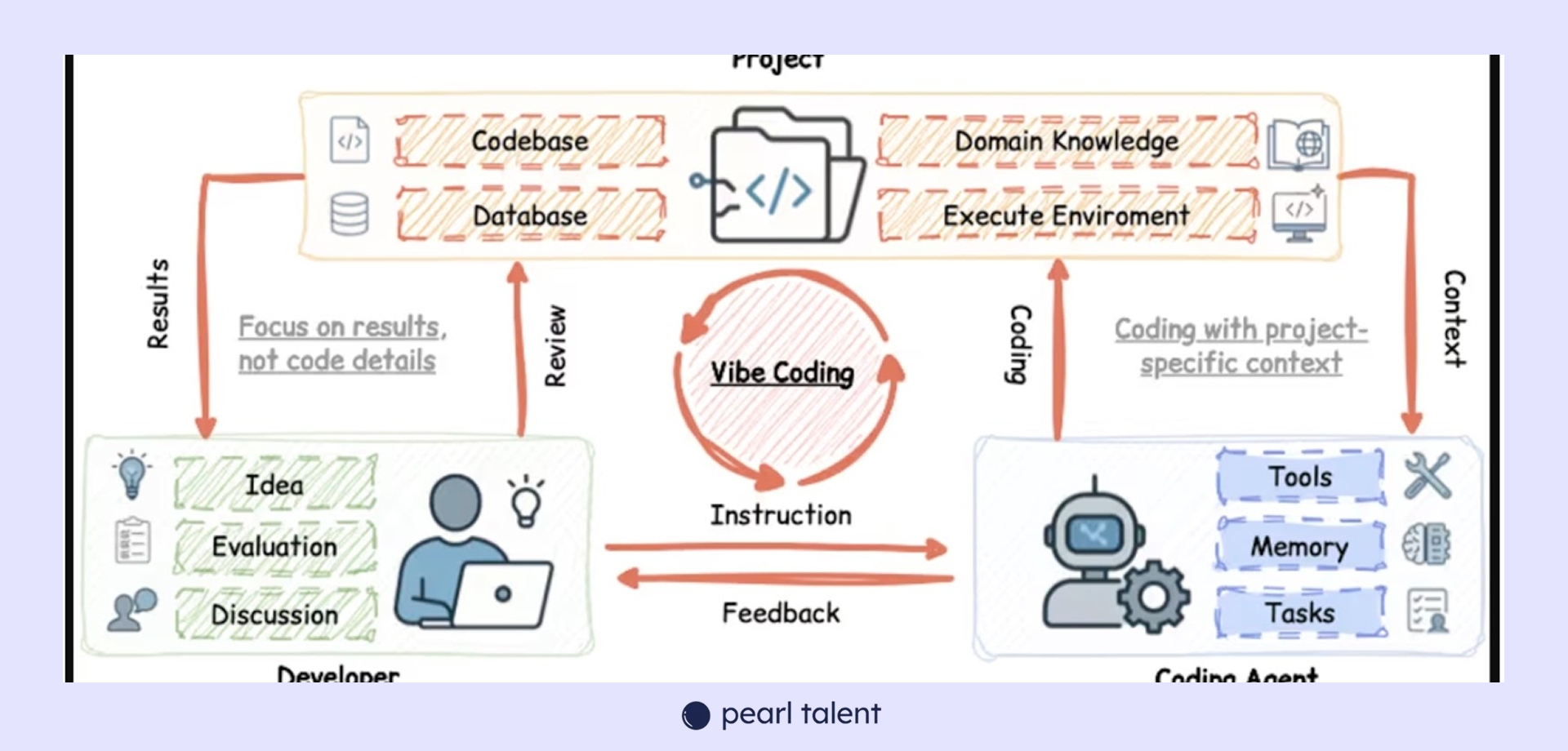
This style shows up in a few common places:
Vibe coding is not a replacement for an engineering discipline. It works best when someone still understands the problem, can recognize when output is wrong, and knows when to slow down. Without that, it can turn into fast but fragile software.
Vibe coding does not replace “real” coding. It changes where effort shows up and when decisions get made.
Traditional coding is designed to reduce uncertainty early. You spend time defining requirements, planning structure, and thinking through edge cases before much code exists. This works well when systems are complex, long-lived, or safety-critical.
Vibe coding accepts uncertainty at the start and resolves it through iteration. Instead of locking decisions upfront, teams let code emerge, react to it, and adjust direction as they learn. AI makes this viable by handling first passes quickly.
Used well, vibe coding can boost productivity by shortening feedback loops and letting teams focus more time on decisions that actually matter.
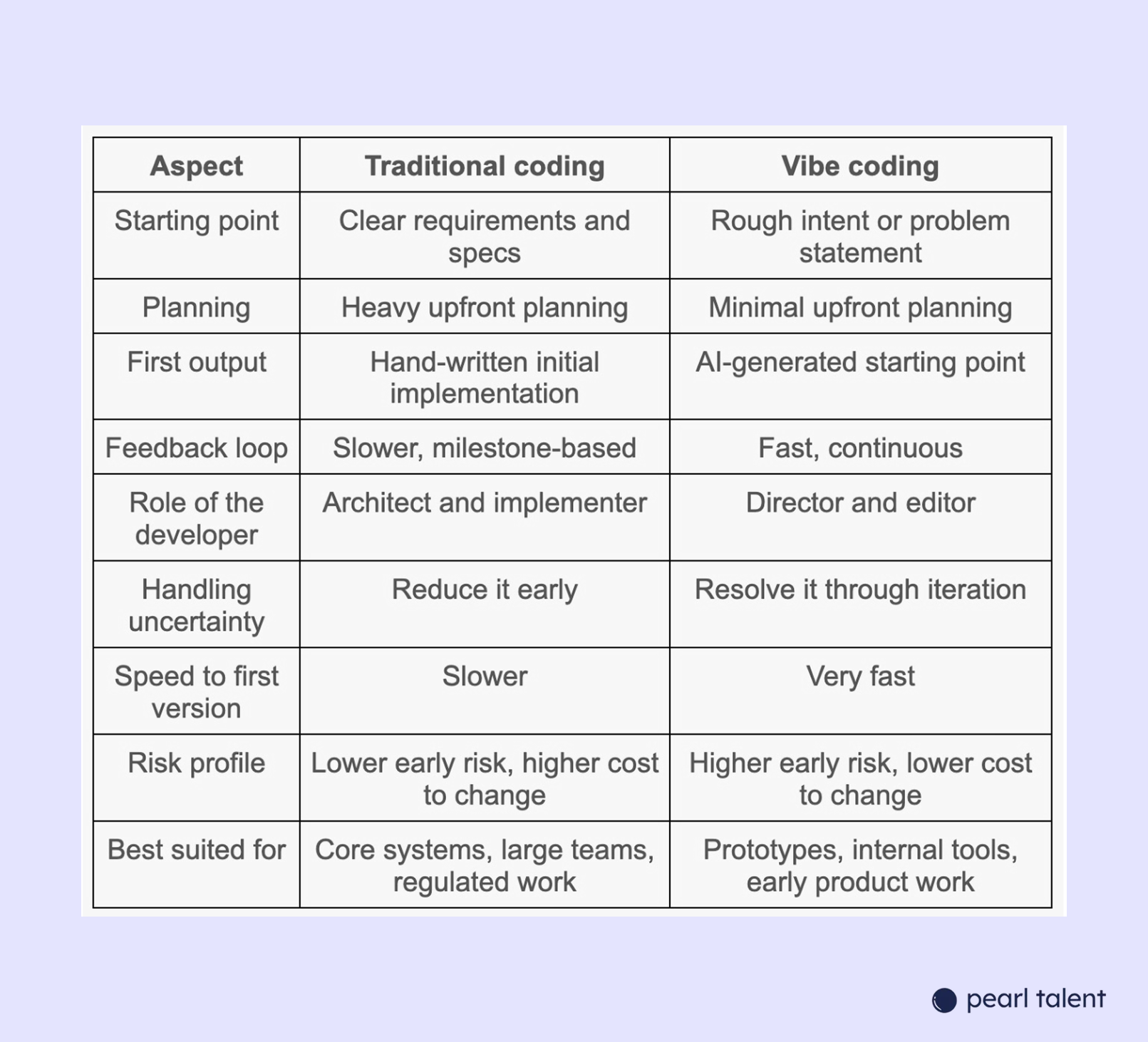
Vibe coding shines when learning speed matters more than correctness on day one. Traditional coding shines when reliability, maintainability, and shared ownership matter more than just velocity.
Vibe coding works best when the goal is learning, not correctness on the first try. The easiest way to get started is to choose a problem where you can move quickly, see results immediately, and change direction without much cost.
Good early candidates tend to share a few traits:
Internal tools, early product ideas, and small workflow improvements usually fit this profile. If success depends on long reviews or downstream approvals, the feedback loop stretches too far, and the approach loses its edge.
In vibe coding, the quality of the starting point depends heavily on how you frame the problem. Instead of telling the system how to build something, focus on what you want it to achieve and how you will know it is working.
Describe the user, the goal, and the constraints in plain language. Share examples of inputs and outputs. Mention what should not happen. This gives AI enough context to produce something useful without boxing it into a rigid design.
Here are examples of some tools you can use for vibe coding:
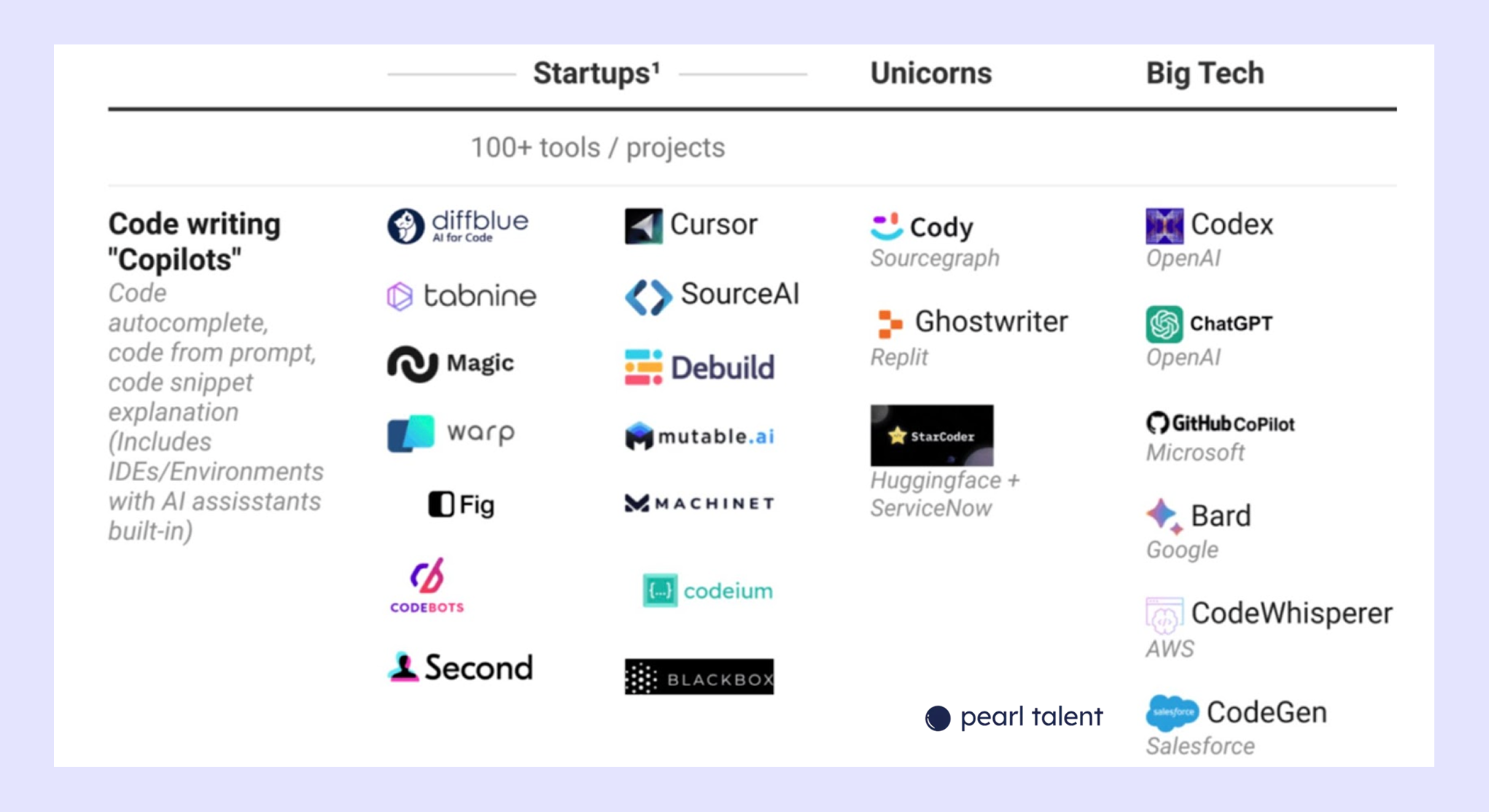
As code appears, resist the urge to rewrite everything manually. React instead. Point out what feels off, what should change, and what direction to explore next. This keeps you in a feedback loop rather than slipping back into spec writing.
Vibe coding depends on fast feedback. Long stretches without checking outputs make it harder to tell whether you are improving or just adding noise.
Teams that do this well tend to:
These small pauses protect quality without slowing momentum. Over time, they also build intuition about where AI is reliable and where closer supervision is needed.
Vibe coding works because it delays decisions, not because it avoids them forever. As soon as work starts touching shared ownership, recurring workflows, or sensitive data, it needs more structure.
That usually shows up when:
At that point, slowing down is not a step backward. Adding tests, clarifying behavior, and documenting assumptions is how experimental work turns into something teams can rely on.
Vibe coding does not remove the need for people who understand software. It changes where their value shows up.
As AI takes on more of the first-pass work, time spent writing code from scratch shrinks. At the same time, judgment becomes more important. Deciding what to build, how it should behave, and whether it is good enough starts to matter more than producing the initial implementation.
This shift shows up differently across roles.
For junior engineers, early-career work has traditionally involved a lot of structured execution. With AI handling more of that layer, learning paths change. Progress depends less on repetition and more on understanding systems and tradeoffs earlier than before. Teams that do not adapt how they mentor risk creating gaps in fundamentals.
For senior software engineers, vibe coding often increases leverage. Less time goes into boilerplate and setup, and more time goes into shaping direction and reviewing output. The role moves closer to:
Non-technical roles feel the impact as well. Product managers, operators, and founders can turn ideas into working artifacts without waiting for full engineering cycles. That expands who can build, but it does not remove the need for technical ownership. Systems still require:
What changes most is not headcount, but expectations. Teams place more value on people who can work through ambiguity, assess output critically, and take responsibility for outcomes. Vibe coding rewards those who can guide systems, not just produce code.
Vibe coding makes it easier to start building. What it does not solve on its own is consistency.
As teams adopt this way of working, new responsibilities appear. Someone has to keep workflows running, review outputs, maintain quality, and make sure fast experiments turn into repeatable processes.
This is where many teams get stuck. Leaders want to move faster with AI, but internal teams are already stretched. Engineers focus on the product. Managers juggle adoption alongside everything else. The unglamorous work of follow-through, documentation, and upkeep falls through the cracks. For teams that lack internal capacity, working with a staffing agency can help add operational support without slowing experimentation or overloading core engineers.
At Pearl Talent, we partner with companies at exactly this stage of growth. We help teams hire high-caliber global operators, engineers, product managers, analysts, and operators who can support AI-enabled workflows day to day, not just experiment with them.
If you’re exploring vibe coding but struggling to turn prototypes into durable, production-ready systems, the issue is often capacity, not tooling. The right people make the difference.
Pearl Talent helps you hire vetted global talent quickly and cost-effectively, so you can scale execution without burning through your budget.
Hire global talent faster and build systems that last.

.svg)