Catena is now Pearl Talent! Same mission, new name.
AI is showing up in more places than people expected, such as writing help, coding support, travel planning, and even choosing what to wear. As it becomes part of everyday work, the skills that matter aren’t just “knowing how to prompt ChatGPT.”
The demand is shifting toward abilities that help people use these tools well, adapt as they evolve, and stay effective as more tasks get automated.
This guide walks through the 20 AI-related skills that are actually rising in demand and why they’re becoming important.
The simplest AI skill, but also the one employers expect almost everyone to have. It’s the ability to guide AI tools so they produce usable, reliable work. You learn it by trying different prompt styles, tightening the instructions, and seeing how context changes outcomes. It shows up everywhere — writing, research, planning, support, operations — which is why companies treat it like the new version of “basic computer literacy.”
Think of this as knowing when to bring AI into a task and how to let it help you get to an answer faster. It often looks like:
This skill matters because work is getting more complex, and people who use AI to think more clearly become force multipliers inside teams.
Even with all the hype around AI models, most projects still fail because the data is chaotic. Cleaning, organizing, and structuring data is still the foundation.

You don’t need to be a data scientist — even knowing how to tidy a spreadsheet, remove duplicates, standardize fields, or check for inconsistencies makes you valuable. In companies adopting AI, this is the behind-the-scenes skill that keeps everything running.
Python remains the language most AI systems depend on. You don’t have to build full models — even basic scripting helps automate repetitive tasks, reorganize data, or connect different tools together.
People usually start with:
Over time, these small steps open the door to more advanced AI work.
Understanding how models learn, what training data does, and how algorithms behave gives you real leverage, even if you’re not a full ML engineer. Concepts like supervised vs. unsupervised learning, overfitting, or evaluation metrics help you work better with technical teams and spot when something feels off. It’s a skill built through hands-on projects, not memorizing definitions.
So much of AI revolves around text — classification, sentiment, summarization, entity detection. NLP lets you work on those problems directly.
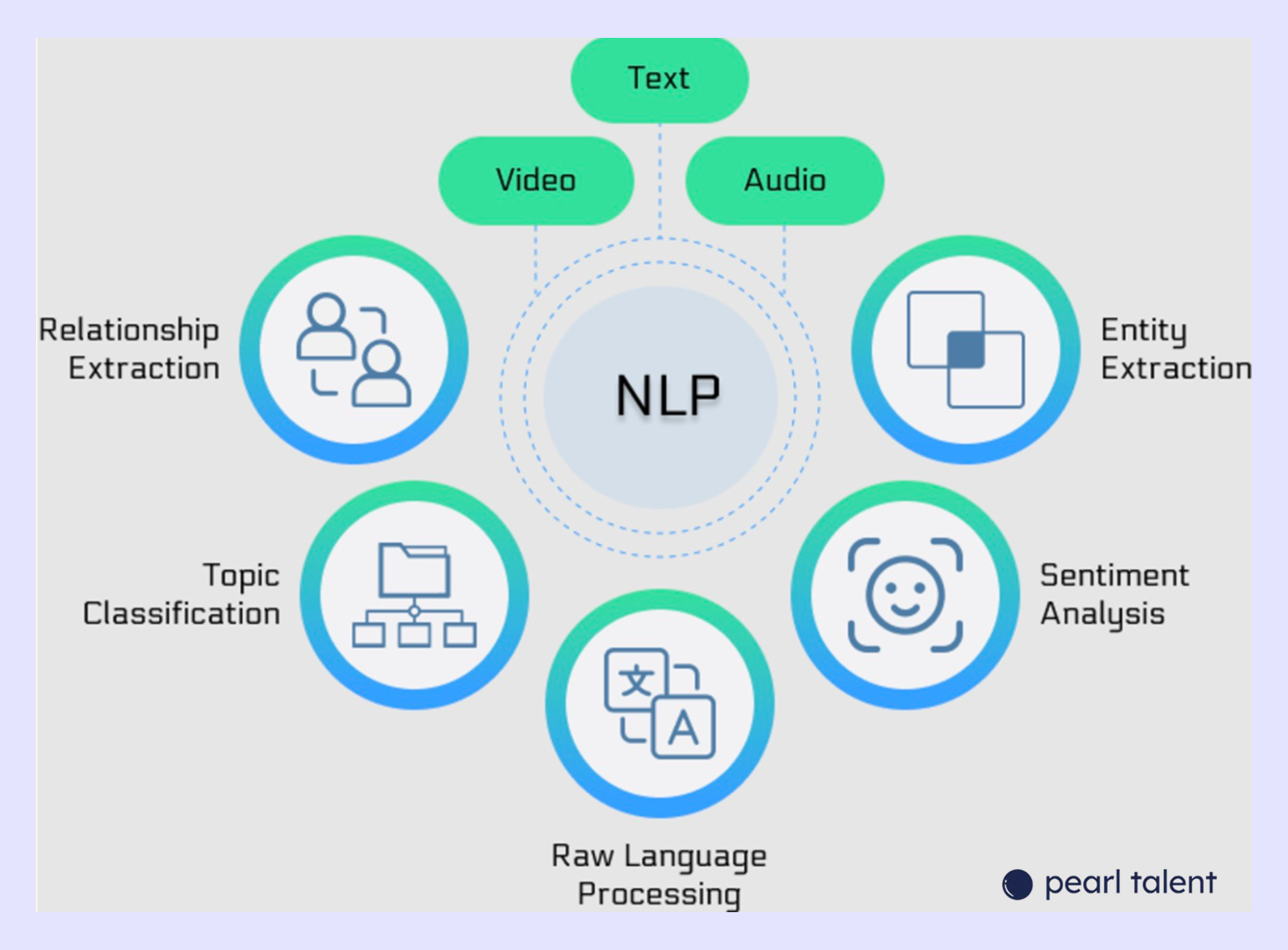
It’s one of the most in-demand skills because companies want to automate email routing, analyze customer feedback, extract insights from documents, and build smarter internal tools. You can start small by experimenting with prebuilt models before moving into transformers.
This one powers everything from product tagging to quality checks in manufacturing to medical imaging. The skill isn’t limited to hardcore researchers anymore — many roles focus on applying existing models like YOLO, OpenCV, or CLIP to real business needs. A lot of jobs now look for people who can evaluate images, detect objects, or fine-tune models for niche use cases.
A huge chunk of AI work today is about getting models out of notebooks and into production — safely, consistently, and at scale.
This involves:
It’s a mix of engineering, testing, and operations — and demand keeps rising because companies don’t just want prototypes anymore.
As regulations tighten, companies need people who can evaluate whether models behave fairly and responsibly. This skill involves reviewing datasets for hidden biases, testing outputs across different groups, and documenting decisions. It’s one of the few AI skills that blends data analysis with judgment and doesn’t always require deep coding.
Tools like Make, Zapier, n8n, and enterprise AI builders are creating a new kind of role — someone who connects AI to existing business processes.

This often includes:
It’s a high-impact skill because a single automation can save hours every week across an entire team, and you can build it without being an engineer.
A model working on someone’s laptop isn’t useful to a company until real users can access it. That’s where this skill comes in. It’s the ability to take a working model, plug it into an app or website, and make sure it keeps running smoothly even if a hundred thousand people use it at once. You don’t need to build the model yourself — this is more about understanding APIs, cloud tools, and how to keep things stable. Teams rely heavily on people with this skill because it turns prototypes into actual features.
Not every AI system should live in the cloud. Some need to run right on the device — a phone, a wearable, a camera.
Why?
Because it’s faster. It protects privacy. It works even without the internet
This skill is about shrinking models and making them efficient enough to run on limited hardware. Even basic familiarity with tools like TensorFlow Lite gets you far because most companies are still figuring this out.
A lot of AI still depends on well-labeled data. The skill isn’t just tagging images or sorting text — companies look for people who can run the labeling workflow. That includes making simple instructions, keeping annotators aligned, and spotting mistakes before they multiply. Think of it as quality control for information. It’s detail-heavy work, and companies value it because messy labels break models in ways that are expensive to fix later.
Some AI problems don’t need huge models. They need cleaner logic.
This skill is about figuring out:
You don’t have to reinvent anything — you just need enough curiosity to test a few approaches and choose the one that makes everything run smoother.
This shows up in roles where companies need someone to keep AI “in bounds.” The focus is on fairness, safety, and whether a system behaves the way it’s supposed to. Most of the job is reviewing AI outputs, documenting decisions, and working with teams to avoid obvious risks. You don’t need a technical background to be good at this — clarity, context, and good judgment matter more.
When companies deploy AI publicly, they need people who can poke at it and see how it behaves under pressure. This includes trying odd prompts, testing edge cases, and checking if it reveals things it shouldn’t.
A good way to think about this skill:
You’re the “friendly attacker” who tries to break the system before anyone else can. It’s hands-on, playful, and increasingly important as AI tools become part of customer-facing products.
Healthcare teams want people who understand how AI fits into everyday clinical work: summarizing patient notes, organizing records, or offering quick diagnostics that support (not replace) doctors. The skill isn’t building big medical models — it’s knowing how to use the tools safely and interpret them responsibly. Anyone who can bridge medical knowledge with AI tools becomes extremely valuable.
Finance uses AI to catch suspicious transactions, forecast trends, and generate quick insights from large datasets. Sometimes the role is technical; sometimes it’s closer to operations or risk analysis. The key skill is being comfortable working alongside AI tools and understanding when something looks off. Pattern recognition helps here more than heavy coding.
This is the “learn by trial and error” part of AI, often used in robotics, logistics, and gaming. The interesting part is that you can start experimenting with it in small simulation environments — simple tasks where an AI agent tries different actions until it figures out the best one. Companies like people who understand this because it leads to systems that improve themselves over time.
This area is newer, and the skill looks less like software engineering and more like workflow design. Different AI agents handle different tasks — one researches, another checks facts, and another cleans up the writing. Learning how to coordinate them, decide who handles which step, and structure the flow is becoming its own specialty. It’s one of the fastest-growing areas because companies want automation that feels more “team-like.”
If you're looking at these AI-related skills and wondering how to position yourself for better roles, it helps to have a partner who understands what companies are actually hiring for. That’s the work Pearl does every day — matching sharp global talent with fast-growing companies that value adaptability, strong operators, and people who learn quickly as AI reshapes workflows.
Build the skills. Get matched with roles that actually value them. Apply to Pearl’s talent pool today. The team reviews candidates directly, matches them to full-time opportunities in the U.S. and E.U., and supports them through training, onboarding, and long-term growth. Check out Pearl Talent here.

.svg)