Catena is now Pearl Talent! Same mission, new name.
Are you hiring for a technical position?
Having a great set of interview questions up your sleeve will set you apart from other potential employers. And you may be in a position where you don’t have the technical knowledge, but need to hire for a technical position. It’s a tough spot to be in.
Now, the main challenge isn’t knowing what an excellent hire is. You know excellence when you see it. The main challenge is finding excellence and retaining it — and you want to find excellence as quickly as possible.
At Pearl Talent, we source pre-vetted software engineers and developers who have already demonstrated technical excellence. They’re onboarded in under two weeks and embedded directly into your team.
In this article, we’ll cover:
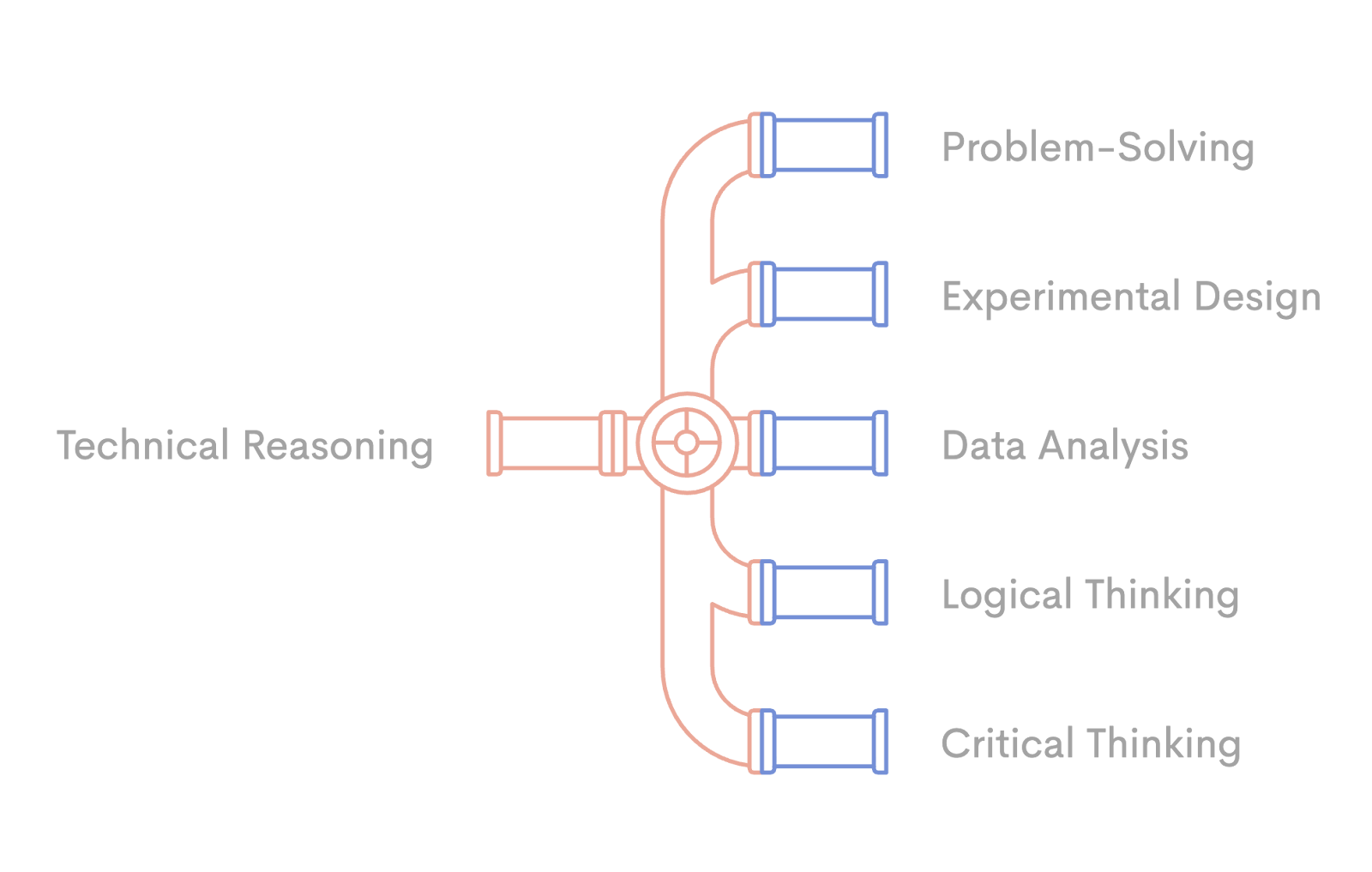
These questions assess foundational technical thinking applicable across software engineers, developers, QA engineers, and other technical roles.
1. Walk me through how you'd debug a production issue that's impacting users right now.
2. Explain a complex technical concept from your domain to someone non-technical.
3. Describe a time you had to learn a new technology or framework quickly. How did you approach it?
4. Tell me about a technical decision you made that you later regretted. What did you learn?
5. How do you stay current with developments in your technical area?
6. When you inherit legacy code or infrastructure, what's your approach to understanding and improving it?
7. Describe your process for estimating how long a technical task will take.
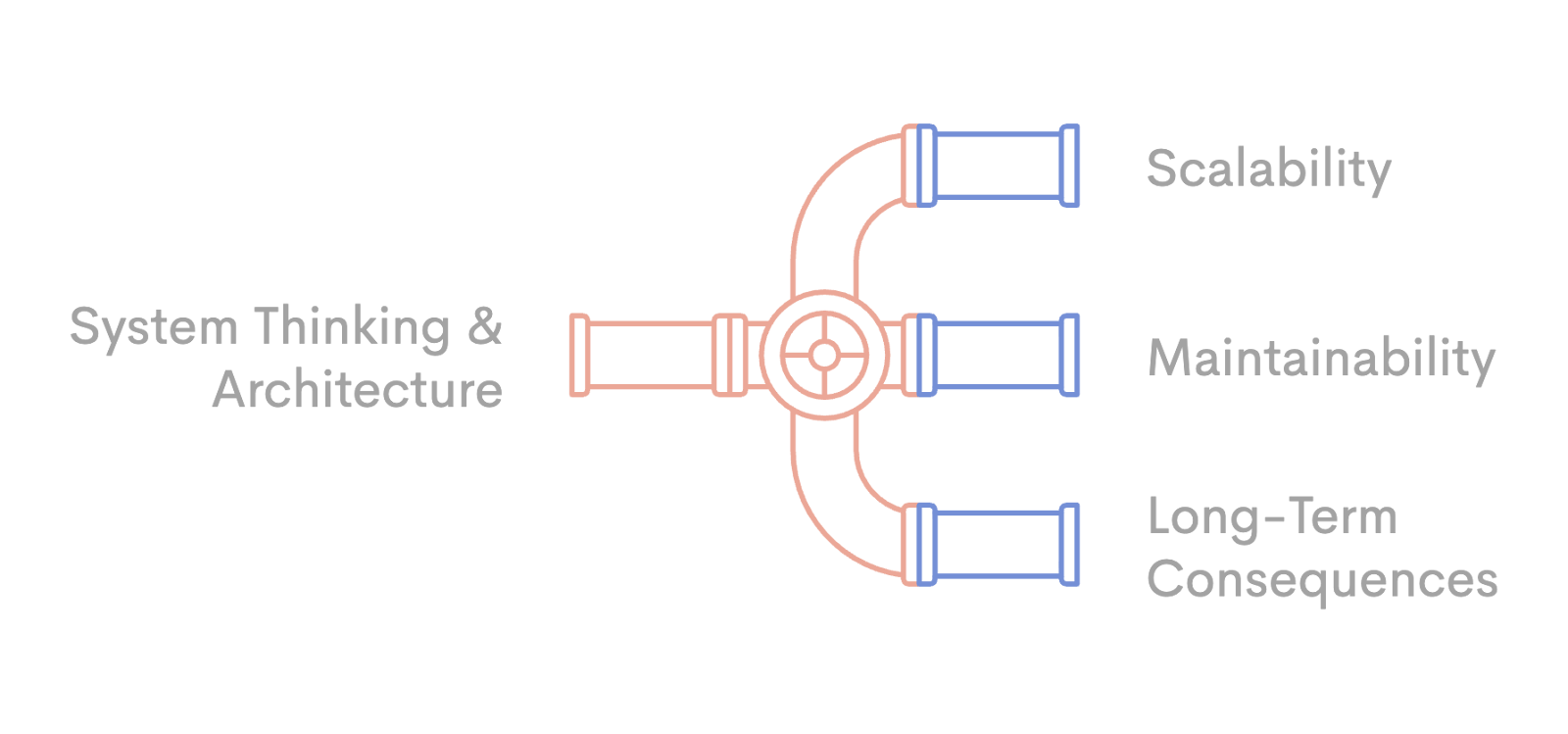
These questions reveal whether candidates think beyond immediate solutions to consider scalability, maintainability, and long-term consequences.
8. Tell me about a system you designed or significantly contributed to.
9. How do you decide between building something custom versus using an existing tool or library?
10. Explain a time you had to make a technical decision with incomplete information. How did you approach it?
11. How do you ensure the systems you build can scale as usage grows?
12. Describe a situation where you identified a technical problem before it became critical. How did you handle it?
13. Walk me through how you'd approach migrating a critical system to new infrastructure or technology.
14. How do you balance accuracy with also completing work quickly?
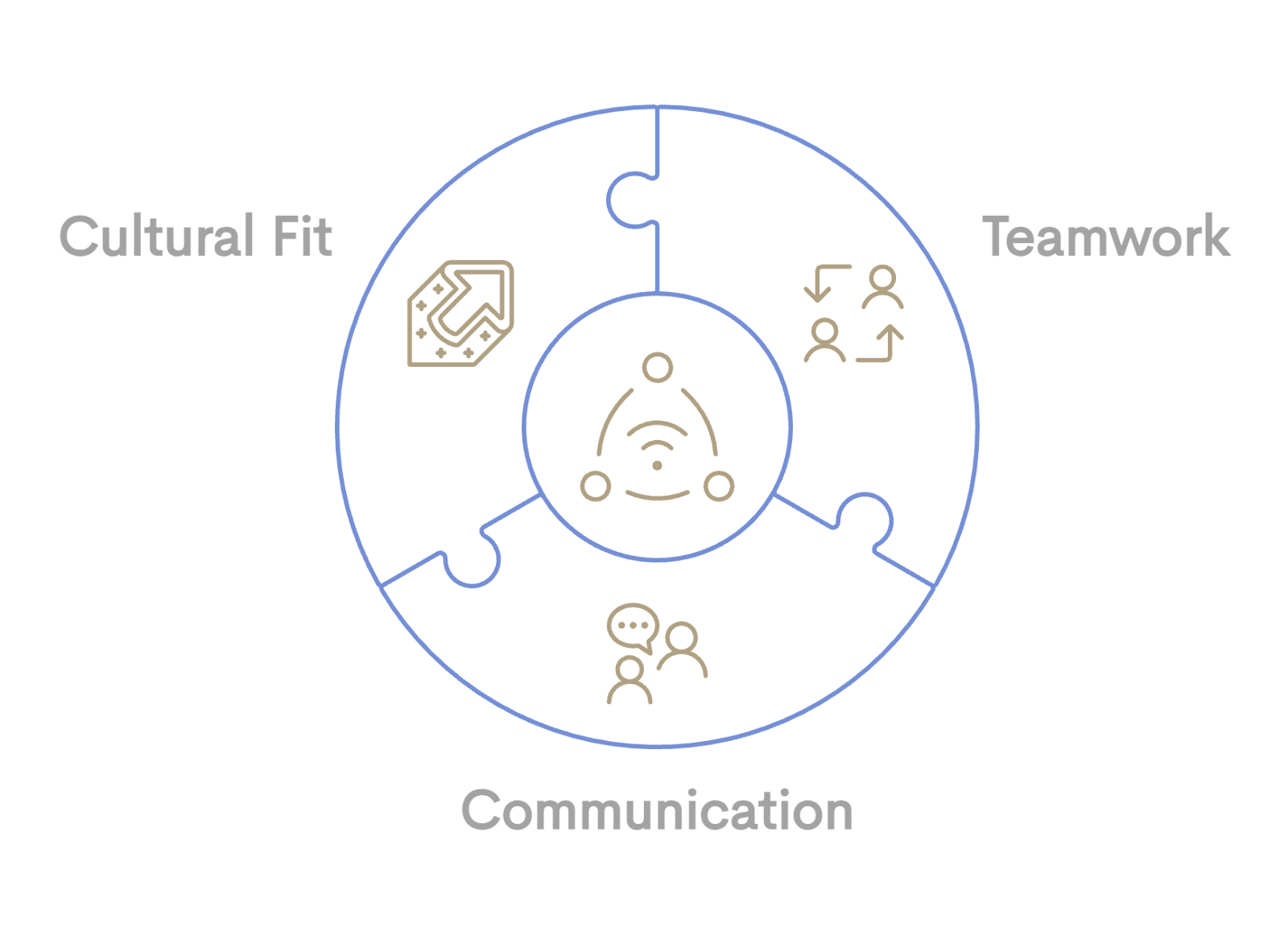
Technical excellence means nothing if someone can't work effectively with others. These questions assess teamwork, communication, and cultural fit.
15. Tell me about a time you disagreed with a technical decision your team was making. How did you handle it?
16. How do you explain technical constraints to non-technical stakeholders?
17. Describe a time you had to help a teammate who was struggling with a technical problem.
18. How do you handle code reviews, both giving and receiving feedback?
19. Tell me about a project where you had to coordinate with multiple teams or departments.
20. When you join a new team or project, how do you get up to speed and start contributing?
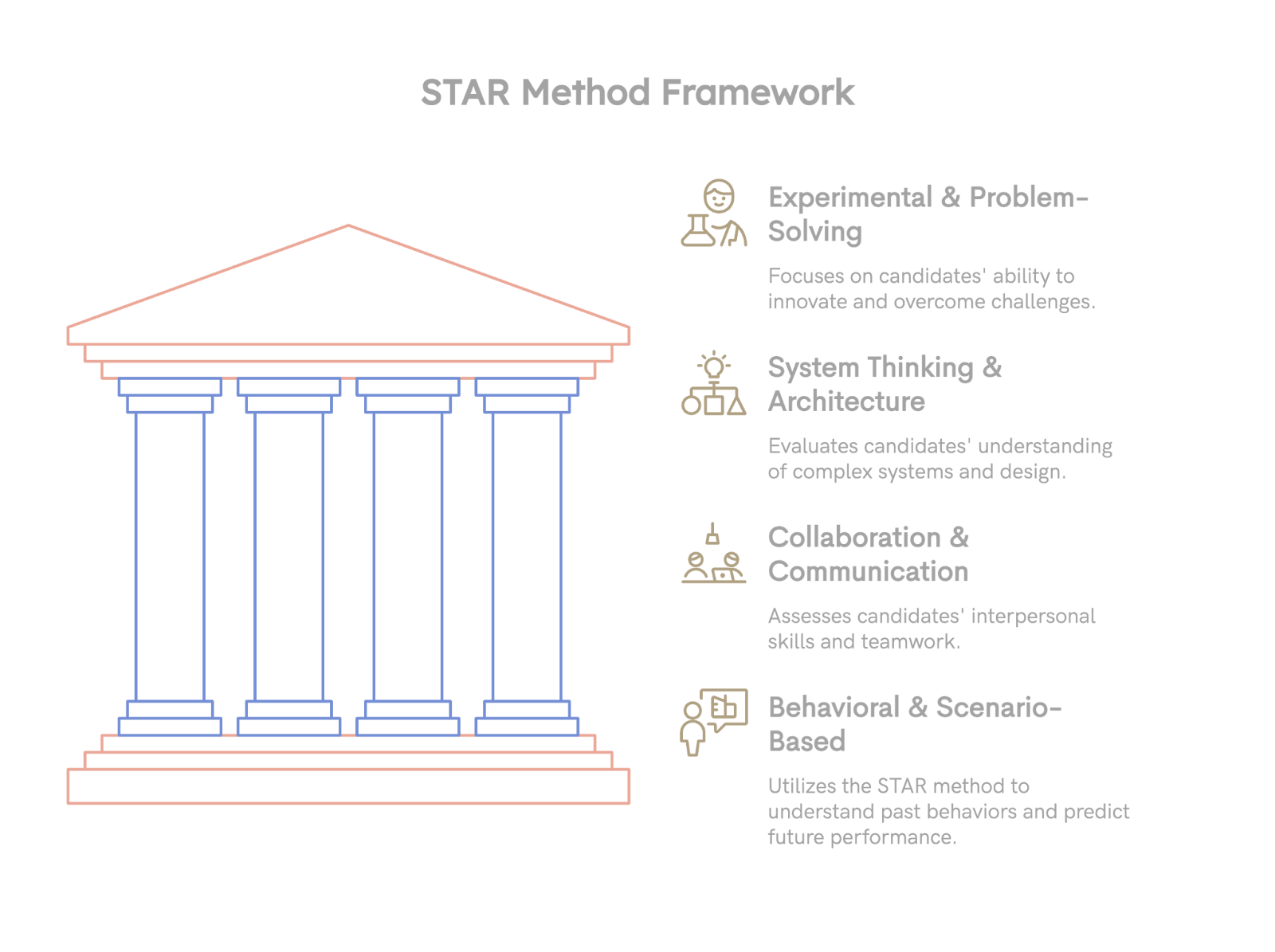
When evaluating responses to behavioral questions, use the STAR method (Situation, Task, Action, Result) to ensure candidates provide concrete examples rather than theoretical answers.
21. Tell me about a production incident you handled. What happened, and what did you do?
22. Describe a time you had to deliver bad news to your manager or stakeholders. How did you approach it?
23. Walk me through a situation where requirements changed significantly mid-project. How did you adapt?
24. Tell me about a technical project that failed or didn't go as planned. What happened?
25. Describe a time you had to prioritize between multiple urgent technical tasks. How did you decide?
26. How have you contributed to improving team processes, tools, or culture in past roles?
27. Tell me about a time you had to advocate for technical investment (refactoring, testing, infrastructure) that wasn't immediately visible to business stakeholders.
28. Describe a situation where you received critical feedback about your work. How did you respond?
A candidate interested in your role should have questions prepared.
1. Why are you hiring for this role? And why now?
2. What opportunities are there for mentorship or learning new technologies?
3. How do development and product teams collaborate?
4. What's your approach to balancing technical excellence with delivery speed?
5. How do you measure the success of a new hire in this role?
6. What does your code review process look like?
7. How does your team handle technical debt?
You’re working hard to refine your interview process, list thoughtful questions, and put your best foot forward.
But, even with this working in your favor, it’s still possible to make a poor hire or lose a great candidate to a faster-moving company.
Why does this happen?
Traditional technical hiring forces you to choose between speed, quality, and cost.
Pearl delivers all three.
Partner with Pearl Talent, and reduce hiring risk, shorten timelines, and meet candidates who have already proven themselves. The right interview questions are a starting point, but having access to the right talent pool makes all the difference.

.svg)