Catena is now Pearl Talent! Same mission, new name.
Athena offers full-time executive assistants with deep training and long-term support. While praised for quality and consistency, it lacks flexibility and role diversity. This guide breaks down Athena’s reviews, pros and cons and compares it to top alternatives like Pearl Talent.
If you’ve searched for a virtual assistant company that promises elite support, fast onboarding, and global talent, you’ve likely come across Athena. Known for its rigorous training and founder-focused model, Athena has become a popular choice for executives seeking remote help. But is it the right fit for your business?
In this guide, we’ll break down everything you need to know before hiring Athena — including reviews, how it compares to Belay, and what real clients are saying. Whether you’re scaling a startup or streamlining operations, understanding Athena’s strengths and limitations can help you make a smarter hiring decision.
Athena is a virtual assistant company that provides highly trained remote executive assistants to busy founders, entrepreneurs, and executives. Unlike traditional VA platforms that offer generalist support, Athena focuses on long-term, strategic delegation — pairing each client with a dedicated assistant who becomes an extension of their workflow.
Founded in 2019, Athena has grown rapidly by offering a premium, white-glove experience. Their assistants are sourced primarily from the Philippines, known for its strong English proficiency, cultural alignment with U.S. companies, and high-quality talent pool.
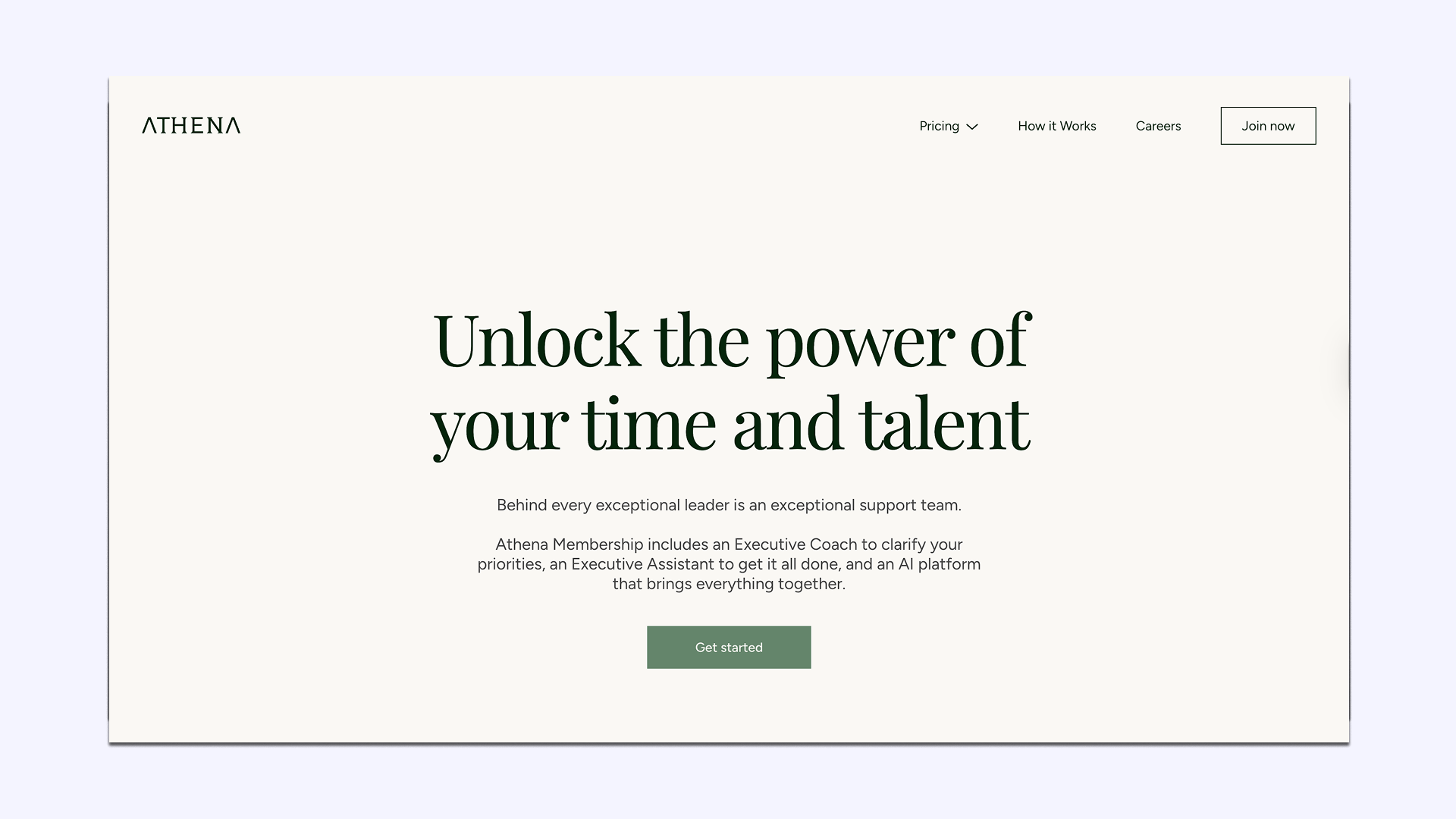
Athena’s core offering is dedicated executive assistant support, but their assistants are trained to handle a wide range of tasks. These include:
Athena positions its assistants as “force multipliers” — not just task-takers, but proactive partners who help founders reclaim time and focus on high-leverage work.
One of Athena’s biggest differentiators is its intensive training program. Every assistant goes through a multi-week onboarding process that includes:
This investment in training allows Athena to promise consistency, reliability, and strategic thinking — qualities that are often missing from lower-cost VA platforms.
Athena markets itself to high-performing founders, CEOs, and operators who need more than just admin help. Their typical client is:
Athena’s assistants are full-time, dedicated hires — not freelancers or part-time contractors. This makes them ideal for leaders who want to build a deep, trusting relationship with their assistant.
When you're hiring a virtual assistant, you're not just choosing a service — you're choosing someone who will be inside your inbox, your calendar, and your daily decision-making. So it’s no surprise that one of the most searched queries is: “Is Athena a good virtual assistant company?”
To answer that, we looked at feedback from clients, assistants, and independent reviewers. Here's what we found.
Founders who’ve worked with Athena highlight the quality of the assistants and the training. However, not all feedback is glowing. Some clients mention that onboarding is slow, and that communication with Athena’s internal team isn’t as responsive as expected. A few noted that while the assistants were strong, the company’s backend operations felt “quite rigid.”
On the assistant side, reviews are more nuanced. On Reddit, several threads from Filipino VAs mention that Athena’s training is solid, but job placement can be inconsistent. One user wrote:
“Marami daw ang naka-floating lang and yet they still keep on onboarding.” (Translation: Many are left waiting for placement while new hires keep coming in.)
On Indeed, Athena scores 4.5 out of 5 stars, with assistants talking about work-life balance. But some reviews mention a lack of transparency in how assistants are supported once placed:
“At times, it feels like we’re treated more as tasks to manage than as people to invest in.”
This tension — between high expectations and uneven support — shows up across multiple platforms.
Independent review sites like WorkStaff360 offer side-by-side comparisons of Athena and other VA platforms. Athena is often praised for its premium positioning, but flagged for being more expensive than competitors.
That said, Athena’s assistants are full-time, dedicated hires — not freelancers or hourly contractors. For founders who want continuity and strategic support, that tradeoff may be worth it.
Athena has earned a solid reputation among startup founders and remote-first teams — especially those looking for consistent, long-term support. Their assistants are well-trained, proactive, and often become integral to how a founder operates day to day.
But like any service, Athena isn’t a one-size-fits-all solution. Its model is built around simplicity and depth, not flexibility. That works well for some teams, and less so for others.
Pros:
Cons:
Athena is a good fit if you’re:
It’s less ideal if you:
If you’re exploring virtual assistant platforms, you’ve probably come across both Athena and Pearl Talent. While they share some surface similarities — remote talent, executive support, and founder-friendly positioning — they’re built for different kinds of teams.
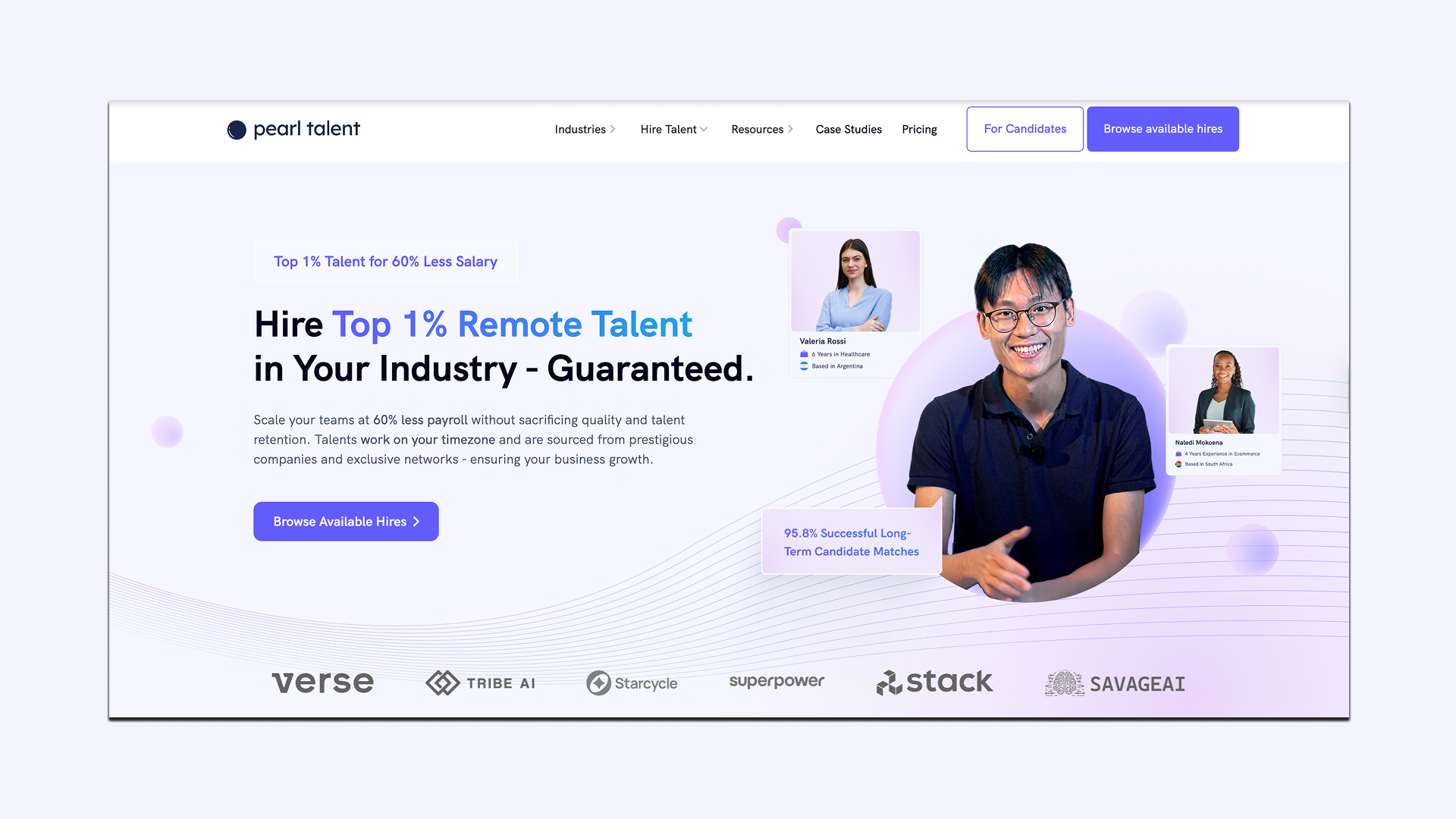
Here’s how they compare across the areas that matter most.
For founders, that flexibility is the difference between hiring an assistant and building a talent strategy. Pearl grows with you, whether you’re delegating inbox management today or building out a full remote team tomorrow.
Pearl’s vetting process includes multi-stage interviews, skill assessments, and background checks — not just resume reviews.
Pearl also offers a 90-day replacement guarantee, so if a hire doesn’t work out, they’ll find a better fit — fast.
Pearl’s onboarding is designed to support both the assistant and the founder — making the transition smoother for everyone.
Athena offers a polished experience for founders who want a full-time executive assistant and are ready to invest in long-term support. Their assistants are well-trained, proactive, and capable of handling complex workflows. But the model isn’t built for flexibility — and it’s not designed for teams hiring across multiple roles.
If you’re scaling a business, managing variable workloads, or hiring beyond just admin support, Pearl Talent is definitely the best fit. Pearl gives you access to the top 1% of global talent
across executive assistance, design, marketing, operations, and more — with faster placement, and deeper support.
Whether you’re hiring your first assistant or building a remote team from scratch, Pearl helps you do it with clarity, speed, and confidence.
👉 Learn more at pearltalent.com — or book a call to get matched with top-tier remote talent today.

.svg)