Catena is now Pearl Talent! Same mission, new name.
Running a business is already a juggling act. Payroll, compliance, benefits, HR headaches… it’s enough to make any founder wonder if they accidentally signed up to be an accountant instead of building a product. That’s where PEO companies (Professional Employer Organizations) step in. They’re not magic, but they do take a huge chunk of the admin weight off your shoulders.
A PEO is basically an outsourced HR partner. They handle payroll, employee benefits, compliance, and day‑to‑day HR support. Instead of juggling tax filings, insurance negotiations, and labor law updates, you let the PEO manage it.
Here’s the twist: with a PEO, you enter into a co‑employment arrangement. That means your employees are technically on the PEO’s books for tax and compliance purposes, but you still manage their work. They share liability with you, file payroll under their tax ID, and keep you compliant while you stay in charge of operations.
For startups and SMBs, PEOs are a lifesaver. They give you access to better benefits, reduce risk, and free up time. Instead of building an HR department from scratch, you get a ready‑made system that scales with you.
The real value of a PEO isn’t just that they take annoying admin off your plate; they unlock advantages you probably couldn’t get on your own. From better benefits packages to reduced compliance headaches, PEOs give smaller teams access to the kind of HR muscle usually reserved for big enterprises. For founders, that means less time buried in paperwork and more time building the business. Let’s break down the biggest perks.
One of the biggest draws of a PEO is access to benefits you’d never be able to negotiate on your own. As a small or mid‑sized business, you’re usually stuck with expensive health insurance plans and limited perks. PEOs pool together hundreds of companies, which gives them bargaining power with insurers and benefit providers. That means your employees can get access to health coverage, retirement plans, dental and vision, even wellness perks, at rates that feel more like enterprise‑level deals. For founders, this isn’t just about saving money; you are also competing for talent. Offering strong benefits makes you look bigger and helps you attract and retain great people.
Employment law is messy. Tax filings, wage and hour rules, and workplace safety requirements vary by state, and mistakes can get expensive fast. A PEO shares liability with you through co‑employment, which means they’re on the hook for compliance too. They file payroll taxes under their own tax ID, monitor regulatory changes, and keep you aligned with labor laws. For a founder, this is peace of mind: you don’t have to become an expert in HR law to avoid fines or lawsuits. The PEO acts as a buffer, reducing risk while you focus on growth.
Every founder knows the pain of admin creep. One minute you’re building product, the next you’re buried in onboarding paperwork, benefits enrollment, or payroll corrections. A PEO takes those tasks off your plate. Instead of spending hours each week on HR, you can redirect that energy into sales, marketing, or product development. For lean teams, this is huge: you don’t need to hire a full HR department early on, and you don’t burn founder time on tasks that don’t drive revenue.
Most modern PEOs bring tech platforms that make HR smoother. Think dashboards where employees can enroll in benefits, self‑service portals for pay stubs, and compliance tracking tools that flag issues before they become problems. Instead of juggling spreadsheets and email chains, you get a centralized system. For employees, this feels professional and organized. For founders, it means fewer fires to put out and more visibility into how HR is running.
No solution is perfect. PEOs can be a lifesaver for founders drowning in admin, but they also come with trade‑offs you’ll want to weigh carefully. Some are small annoyances you can live with, others might clash with how you want to run your company. Here are the most common challenges, explained in plain language.
Co‑employment means you’re sharing responsibility. The PEO has a say in HR policies, benefits, and compliance, even though you still manage day‑to‑day work. For some founders, that feels like handing over the steering wheel, even if you’re technically still driving. If you’re used to making every decision yourself, from how PTO is tracked to which health plan gets offered, it can be frustrating to adapt to standardized processes.
PEOs are built to serve hundreds of companies at once, which means efficiency comes at the cost of flexibility. Their systems are designed to be universal, not custom. If your culture is unconventional, maybe you offer unique perks, or you’ve built quirky workflows that employees love, a PEO’s “one‑size‑fits‑all” approach can feel like trying to squeeze into a suit that doesn’t quite fit. It works, but it’s not tailored.
Adding another layer between you and your employees can slow things down. Picture this: an employee has a benefits issue, but instead of walking down the hall to HR, they’re waiting on a PEO rep to respond. If the provider is responsive, no problem. If they’re slow, you’ve got frustrated employees and more tickets piling up. The key is choosing a PEO that treats communication as a priority, not an afterthought.
PEOs shine for startups and SMBs, but once you hit a certain size, the math changes. Larger companies often find it cheaper to build HR internally, negotiate benefits directly, and keep control in‑house. At that point, PEO fees can feel like paying for convenience you no longer need. It’s not that PEOs stop working; it’s basically that the economics shift, and what was once a smart shortcut becomes an unnecessary expense.
PEOs and EORs often get lumped together because they both “take HR off your plate.” But the way they do it, and the situations they’re built for, are very different. Think of it like this: a PEO is your co‑pilot, while an EOR is the one flying the plane entirely.
The distinction matters: with a PEO, you’re still legally tied to your employees. With an EOR, you’re outsourcing that tie completely.
Here’s where the rubber meets the road: liability.
For founders, this difference is huge. A PEO reduces risk but doesn’t remove it. An EOR removes risk but also shifts control.
Think of it this way:
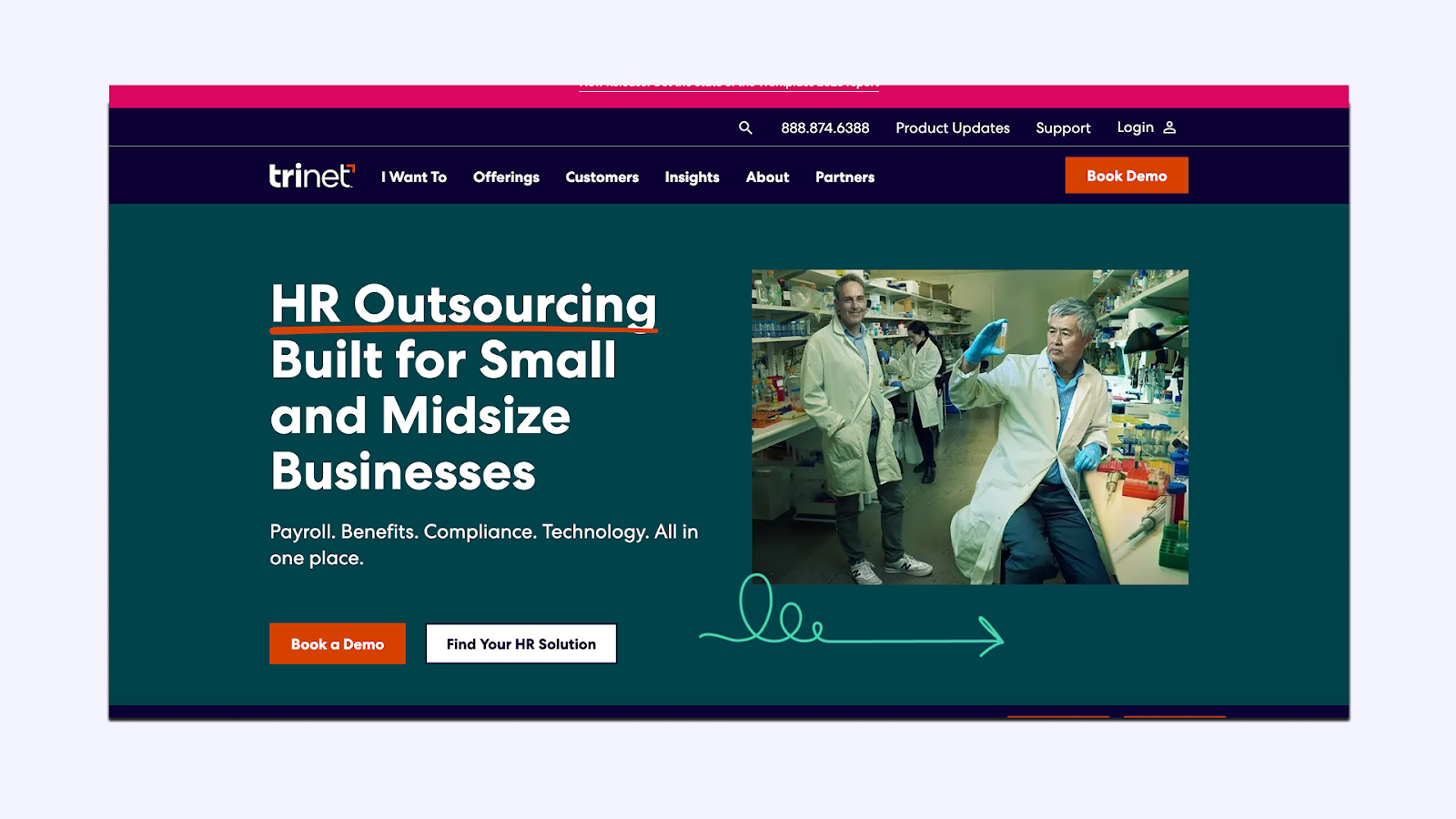
TriNet has built its reputation on industry‑specific solutions. Instead of offering generic HR packages, they tailor support to sectors like tech, healthcare, retail, and nonprofits. That means if you’re a SaaS startup, you’ll get HR policies and benefits designed for the quirks of software companies, not a cookie‑cutter plan meant for a construction firm. Their benefits packages are strong, and they’ve negotiated competitive healthcare and retirement options thanks to their scale. For SMBs that want tailored HR support without reinventing the wheel, TriNet often feels like the safest bet.
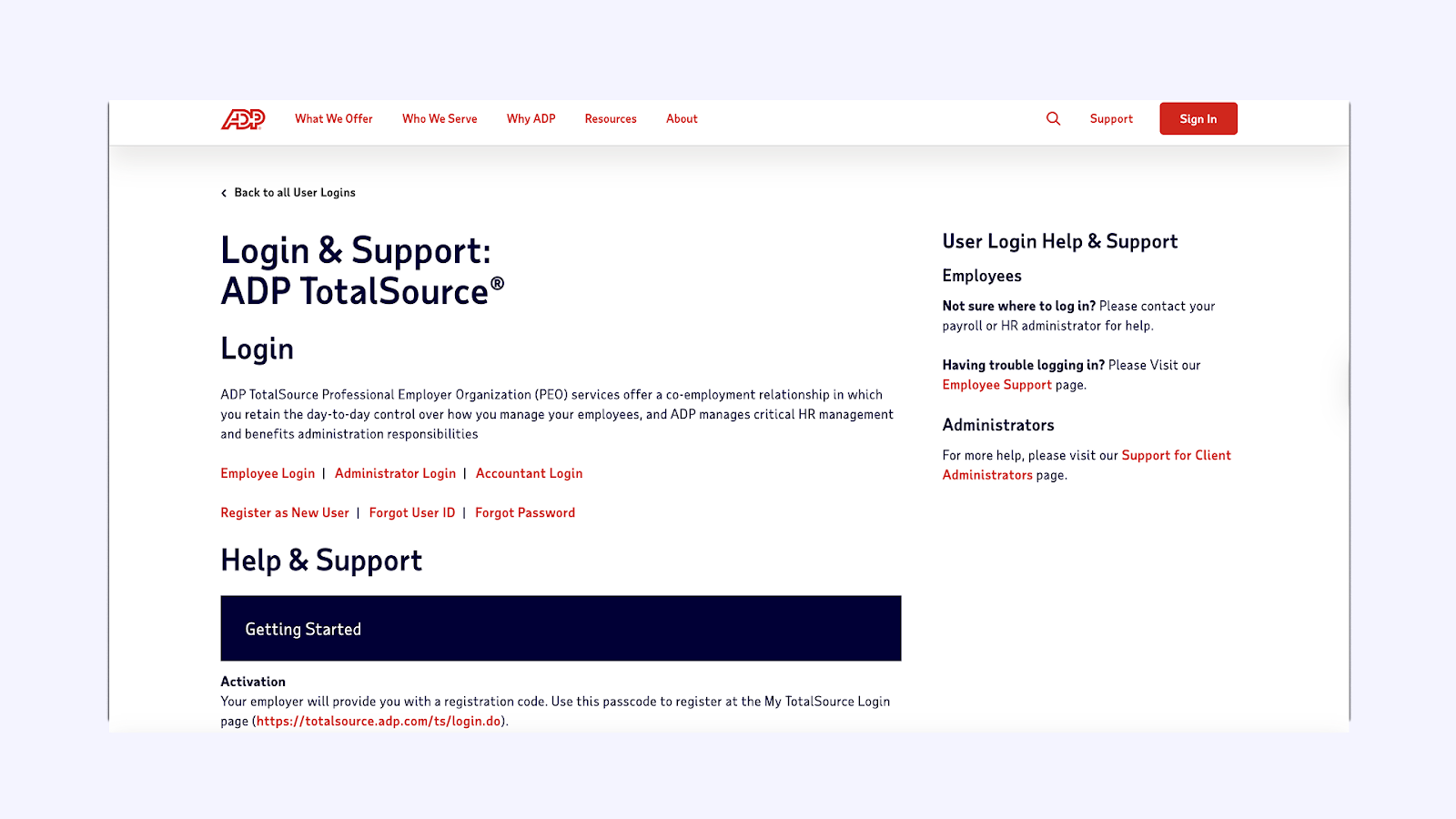
ADP is the global heavyweight in this space. Their TotalSource PEO offering comes with robust digital tools, compliance expertise, and the ability to scale across multiple states or even internationally. ADP is known for its tech integration: payroll, benefits, and compliance all live in one system, which appeals to companies that want enterprise‑grade infrastructure. The trade‑off? ADP can feel big and impersonal. If you’re a smaller startup, you may feel like a small fish in a very large pond. But for companies that value scale and reliability, ADP is hard to beat.
Paychex sits in the middle ground: flexible, scalable, and tech‑driven. They offer a mix of PEO services and broader HR outsourcing, which means you can start small and expand as your needs grow. Their software is strong, with dashboards that make payroll and benefits management straightforward. Paychex is often a fit for growing businesses that want flexibility, not locked into rigid contracts, but still supported by a provider with decades of experience.
The PEO space isn’t just about the big names anymore. Companies like Justworks and Rippling are shaking things up with modern platforms, startup‑friendly pricing, and sleek user experiences. Justworks is known for its transparency and simple pricing, which appeals to founders who hate hidden fees. Rippling, on the other hand, is tech‑first: they integrate HR with IT, meaning you can manage payroll, benefits, and even employee devices in one system. These emerging providers are popular with younger companies that want flexibility, modern tools, and a partner that feels more like a startup than a corporate giant.
Choosing a PEO isn’t just about ticking boxes; if you really want it to work, you need to think of it as finding a partner who will shape how your employees experience work and how you, as a founder, experience growth. The wrong fit can feel like bureaucracy layered on top of your business. The right fit feels like breathing room.
Start with your pain points. Are you losing sleep over compliance? Struggling to offer competitive benefits? Or just tired of spending hours fixing payroll errors? Knowing what matters most will narrow the field. A founder who needs better health insurance options will prioritize a PEO with strong benefits packages, while a founder worried about compliance risk will look for one with deep regulatory expertise. Don’t let shiny features distract you, anchor your search in the problems you actually need solved.
Not all industries are created equal. A SaaS startup has different HR headaches than a healthcare clinic or a retail chain. Pick a PEO that knows your space. Providers with relevant experience ramp faster, make fewer mistakes, and already understand the quirks of your industry. Ask for case studies or references. If they’ve helped companies like yours before, chances are they’ll know how to support you without a steep learning curve.
PEOs don’t all price the same way. Some charge a flat monthly fee per employee, others take a percentage of payroll. Both can work, but the devil is in the details. Watch for hidden costs in contracts — setup fees, charges for “extra” services, or penalties for scaling down. Founders often get burned here because they assume the headline price is the whole story. Always ask: “What’s not included?”
As we said before, companies won’t grow in a straight line. You might double headcount one quarter and freeze hiring the next. Make sure the PEO can flex with you. Rigid contracts that lock you into minimums or long commitments can become a drag. Flexibility is key for startups that scale unevenly. The best PEOs act like partners who adapt to your stage, not vendors who force you into their mold.
Contracts are dense, but this is where you protect yourself from surprises. Read the fine print. Know exactly what they cover, and what they don’t. Some PEOs handle compliance but leave certain liabilities on your plate. Others include benefits administration but charge extra for onboarding. If you don’t catch these details upfront, you’ll feel blindsided later. Take the time to review, or better yet, have a lawyer scan the agreement before you sign.
PEOs have become a go‑to solution for founders who want to grow without drowning in HR. They unlock better benefits, reduce compliance headaches, and give small teams access to enterprise‑level support. But they’re not perfect; you trade some control for convenience, and the fit depends on your stage, industry, and culture.
That’s why choosing the right partner matters. The best PEOs feel like an extension of your team, not a bureaucratic layer. They adapt to your needs, scale with you, and keep employees supported while you stay focused on building the business.
But there’s another option: Pearl Talent. We’ve built our model around those founder realities. Lean contracts and flexible setups designed to grow with you. Our approach is simple: give founders breathing room without sacrificing control. Pearl Talent exists to make sure you get it right.
Talk to Pearl Talent today.

.svg)