Catena is now Pearl Talent! Same mission, new name.
At Pearl, a trusted overseas operations placement service, we connect businesses with top talent worldwide while providing insights into the latest industry trends. Our team specializes in sourcing motivated, cost-effective professionals across various countries, helping companies build strategic workforce solutions. With our expertise in operations metrics and employment trends, we empower businesses to align their outsourcing strategies with market demands and operational goals.
In this guide, we’ll explore the top reasons companies outsource work, examine employment trends shaping outsourcing in 2026, and share strategies to maximize the benefits of outsourcing. By understanding these insights, businesses can optimize their workforce, improve efficiency, and focus on strategic growth without sacrificing quality.
Companies are increasingly leveraging outsourcing to stay competitive. This strategic shift is fueled by key employment trends that emphasize cost efficiency, access to specialized skills, and greater operational flexibility. Understanding these trends provides insight into why companies choose to outsource work and how businesses can optimize their workforce strategies.
In the following sections, we’ll explore the top five employment trends driving outsourcing in 2026, helping you align your business operations with the evolving demands of the market.
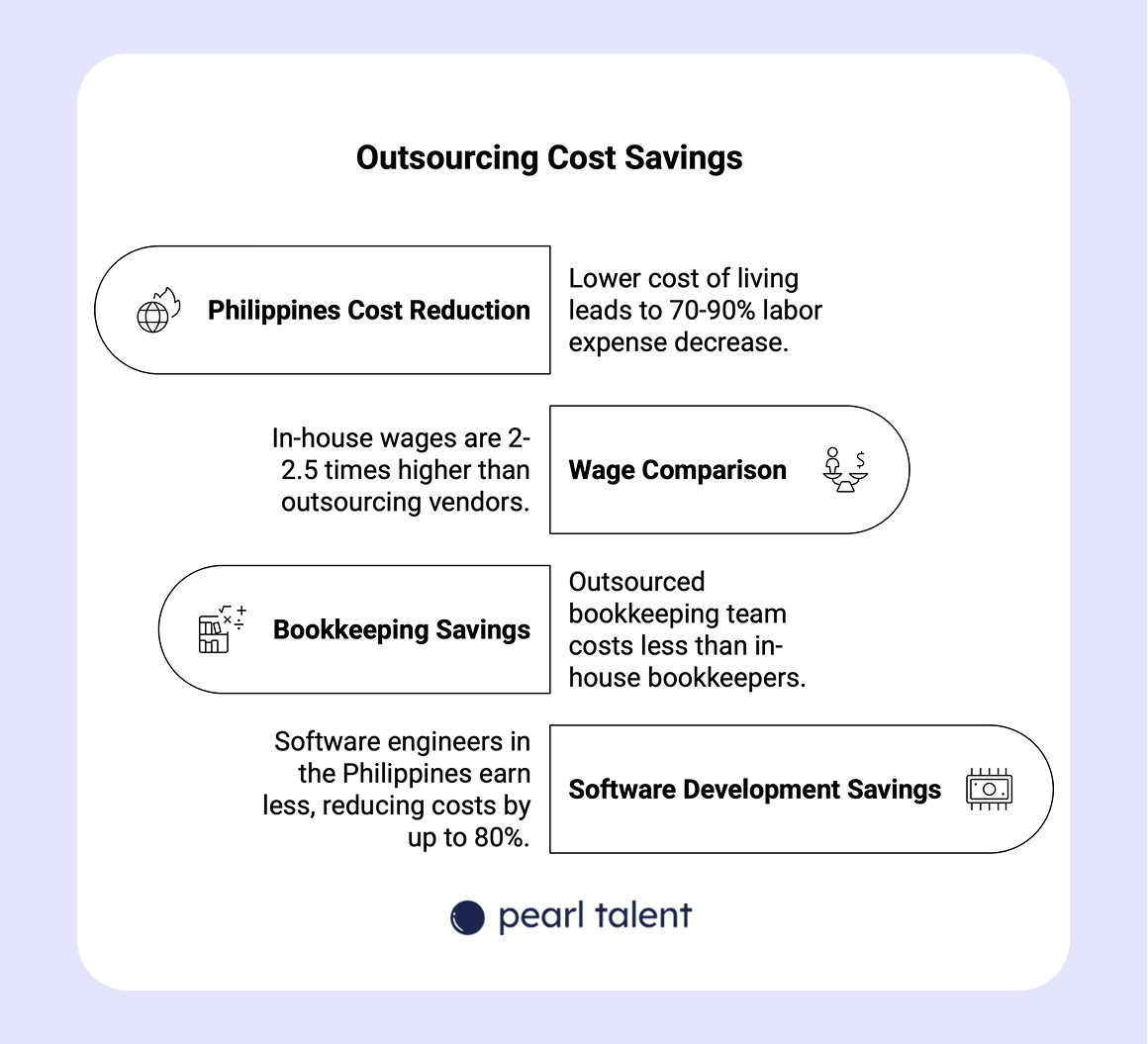
Outsourcing can significantly lower labor costs for companies in developing countries compared to developed Western nations. This makes it an important factor as to why companies choose to outsource work. This cost reduction is primarily driven by significant wage discrepancies between these regions, often reaching up to 60% or more.
The demand for outsourcing becomes a cost-effective option for businesses aiming to optimize their operational expenses. This makes it one of the reasons why companies choose to outsource work, providing access to specialized expertise without hiring and training full-time employees.
Here are a few instances showing the significant cost-savings when outsourcing:
Focusing on core business functions is one of the key reasons companies choose to outsource work. Core functions are the operations that directly create value for customers, drive revenue, or differentiate the business from competitors. Examples include product development, marketing strategy, sales, or customer experience management, depending on the industry.
By contrast, non-core functions are activities that support the business overall but do not directly drive its strategic advantage or bottom line. These often include administrative tasks, payroll, bookkeeping, IT support, HR operations, and back-office functions. By outsourcing these non-core functions to specialized external providers, businesses can free up internal resources to redirect focus back on core business functions and reduce operational burden.
By delegating non-core functions to outsourcing partners, organizations can remain agile, reduce costs, and better allocate human capital to the areas that matter most.
Expanding global market reach has emerged as a key driver for outsourcing in 2026. By leveraging external expertise and resources from around the world, companies can enter new markets more quickly and cost-effectively, scale operations efficiently, and remain competitive. Outsourcing allows businesses to tap into local knowledge, language skills, cultural familiarity, and established infrastructure in foreign markets ultimately reducing the time, risk, and investment needed to establish a business presence abroad.
The COVID-19 pandemic further accelerated the adoption of outsourcing, demonstrating how global partnerships enable organizations to adapt swiftly and efficiently across different regions. The global outsourcing services market was estimated at USD 3.8 trillion in 2026 and is projected to reach USD 7.11 trillion by 2030, growing at a CAGR of 11.3% from 2026 to 2030 (Source). This rapid growth underscores the increasing reliance on and growing demand for international talent and cross-border operations to drive business success.
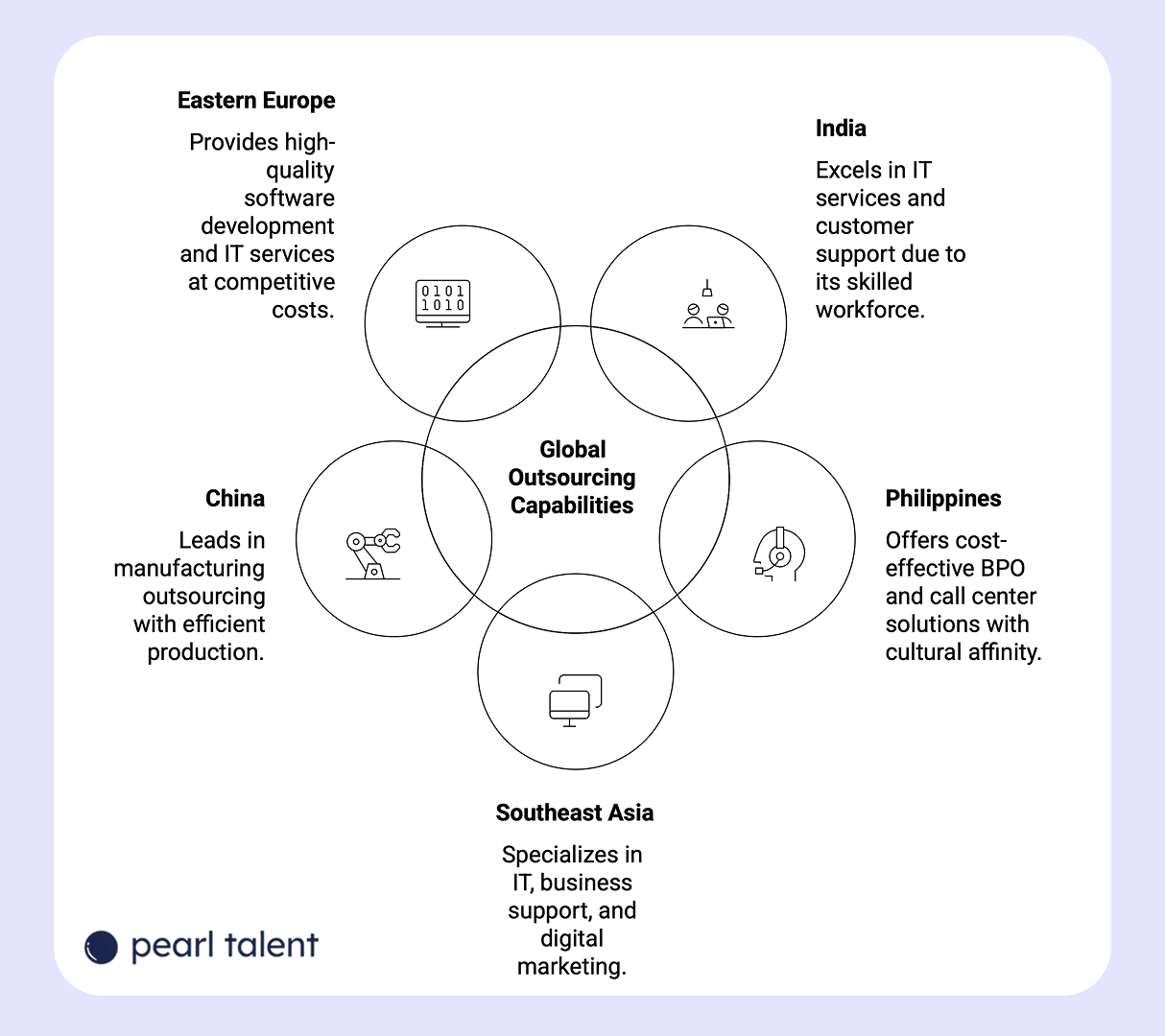
By partnering with outsourcing providers in target countries, companies can offer services locally while leveraging the expertise of remote teams. For example, a U.S.-based company might hire customer support agents or virtual assistants in the Philippines to serve local or regional customers efficiently. Similarly, a software company could tap into IT specialists in Eastern Europe to deliver products for European clients with better cultural and time-zone alignment.
Some of the leading countries contributing to global outsourcing capabilities include:
Virtual collaboration and remote work play a significant role in why companies choose to outsource their work. This dynamic mode of working allows individuals or teams to collaborate effectively using digital platforms, regardless of their physical location.
It encompasses a wide range of activities such as meetings, brainstorming sessions, and project management, all facilitated by online tools. The benefits of virtual collaboration lie in its ability to maintain fluid and productive teamwork, irrespective of team members’ geographical dispersion.
This is particularly crucial in today’s modern landscape, where remote jobs, virtual assistants, flexible schedules, and diverse teams are becoming increasingly common. As in-person meetings decrease, virtual interactions become crucial for businesses.
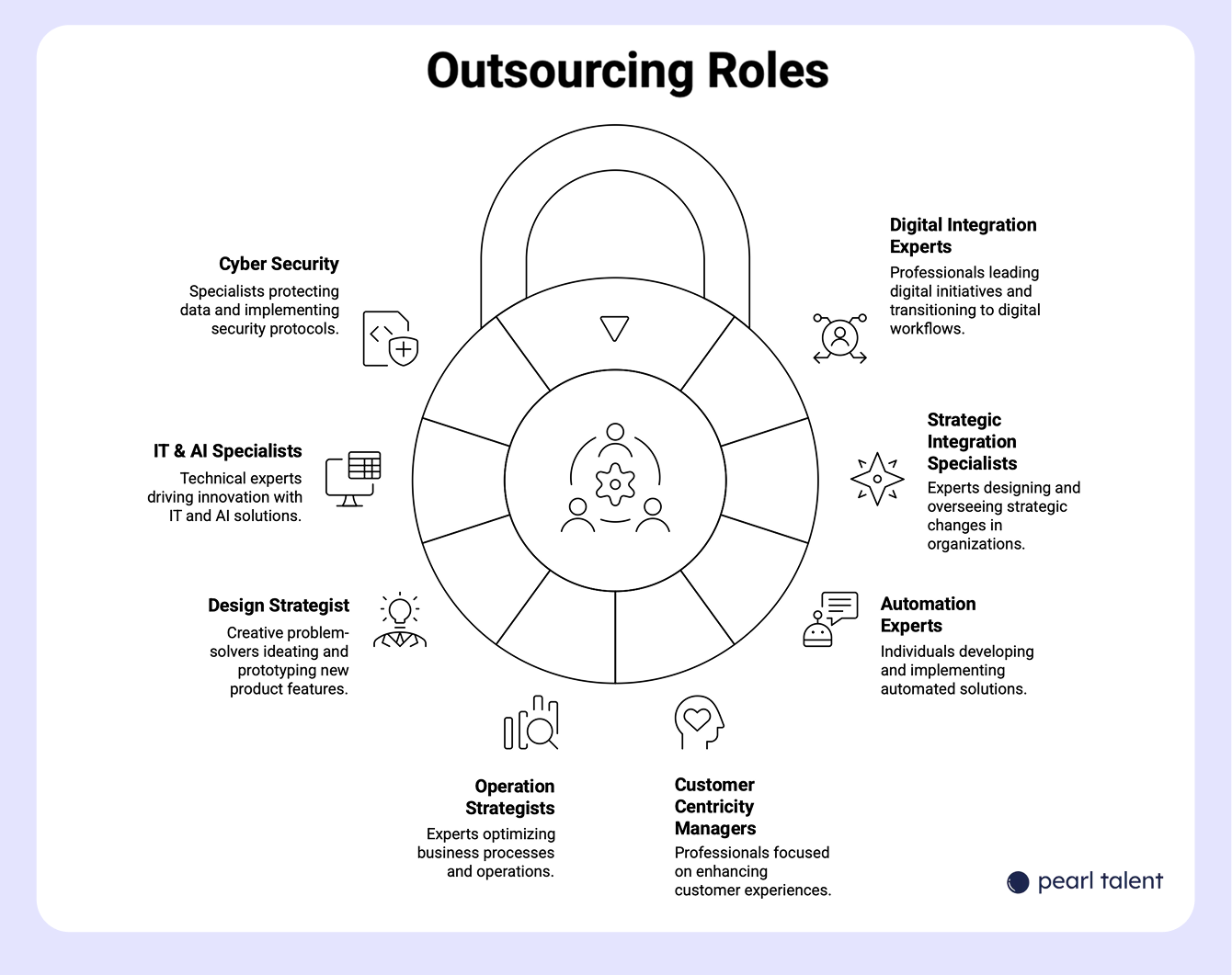
Accessing specialized expertise is one of the reasons why companies choose to outsource work. This is driven by the rapid technological growth and the need to remain competitive. Technological advancements like cybersecurity and artificial intelligence have created a demand for cutting-edge skills that are often found outside traditional organizational structures.
The talent shortage in areas like cybersecurity and AI is a significant factor influencing outsourcing trends. A McKinsey Global survey reveals that 87% of companies either face skill shortages today or anticipate them soon. By 2030, the talent gap could reach 85 million workers, resulting in an estimated $8.5 trillion in unrealized annual revenue. In cybersecurity alone, 4 million professionals are urgently needed to fill the skills gap. (Source)
Here are the top roles in outsourcing:
Companies should prioritize staying ahead of industry trends and developments to achieve successful outsourcing. This involves understanding the evolving landscape and proactively adapting strategies to remain competitive, signifying the need for companies to outsource their work to qualified professionals.
Here, we’ve compiled key considerations and strategies to stay ahead in outsourcing and maximize business outcomes.
Regularly assessing market trends is a strategic move that involves monitoring changes, shifts, and developments in the industry, such as emerging technologies and consumer preferences. It’s crucial because it helps business owners stay informed about market dynamics, anticipate changes, and identify opportunities or threats proactively.
Below are the considerations to take in assessing market trends:
Assessing market trends allows businesses to stay agile, make data-driven decisions, and adapt strategies to changing market conditions. Staying proactive and informed can position a company to strategically seize opportunities and mitigate risks.
Companies today need to integrate new technologies into their operations to remain competitive. This strategy, a key reason why companies choose to outsource work, leads to improved efficiency and productivity. Such an integration not only streamlines workflows but also enhances the quality of services provided, resulting in a more competitive and customer-focused business environment. Here are five ways to adopt technological advancements and stay ahead of the curve:
Adopting these strategies allows businesses to fully harness technological advancements, adapt to evolving market dynamics, and position themselves for sustained success in the digital age. Research shows that 83% of executives are already leveraging AI in outsourced services, with 20% developing strategies to manage the digital workers, highlighting the growing impact of technology in modern outsourcing.
Investing in talent development involves nurturing and enhancing the skills, knowledge, and capabilities of employees within an organization. Companies must invest in talent development because skilled and motivated employees contribute to improved productivity and innovation. As such, attracting and retaining top talent while fostering a culture of continuous learning and growth has been a lot easier to achieve.
Below are the considerations to take in investing in talent development:
Investing in talent development not only strengthens the capabilities of a workforce but also fosters a positive work culture. It also improves employee engagement and retention, which leads to long-term success.
Language barriers can hinder effective communication in outsourcing, as different languages and cultural nuances can lead to misunderstandings and misinterpretations. These barriers may affect collaboration, trust, and transparency between teams.
Despite these challenges, companies choose to outsource work as it provides cost savings and access to a global talent pool. Overcoming this through clear communication and tools ensures a smooth workflow and achieving desired results in outsourced projects.
Here are five ways to maintain strong communication within your organization:
Performance metrics gauge and assess essential indicators and data points to know how well business processes and strategies function. This monitoring aids companies in evaluating their advancement and pinpointing spots needing enhancement. It also helps in making data-driven decisions to optimize performance and achieve goals.
Below are how to monitor performance metrics effectively:
Businesses can optimize operations by focusing on core functions, accessing specialized expertise, and leveraging global talent pools through outsourcing . The rise of remote work, virtual collaboration, and digital transformation, combined with cost optimization and scalable solutions, offers even greater advantages for companies embracing outsourcing.
These trends also emphasize the value of strategic partnerships and the importance of adopting technology to stay competitive. Staying informed and proactive allows organizations to maximize the benefits of outsourcing, enhance operational efficiency, and position themselves for long-term growth.
At Pearl Talent, we help U.S. businesses build high-performing teams by connecting them with top-tier global professionals from regions like the Philippines, South Africa, and Latin America. Whether you need specialized expertise, scalable support, or cost-effective talent solutions, we streamline the hiring process so you can focus on growing your business.
Hire your next global professional today and start transforming your workforce with Pearl Talent.

.svg)